Houston Freestanding ERs Are Everywhere and One Could Wreck Your Bill This Summer
A consumer guide to the billing traps, your Texas legal rights, and when a sprained ankle really doesn't need a $3,000 emergency room visit.


A consumer guide to the billing traps, your Texas legal rights, and when a sprained ankle really doesn’t need a $3,000 emergency room visit.
You’re at a Fourth of July cookout in Katy. Your kid slices her hand on the edge of a folding table — not life-threatening, but deep enough that someone says “she needs stitches.” You load her into the car, search “ER near me” on your phone, and pull into the closest facility with a red cross and an open door. In and out in 45 minutes. A month later, two bills arrive totaling $2,400. You had no idea you’d walked into an emergency room.
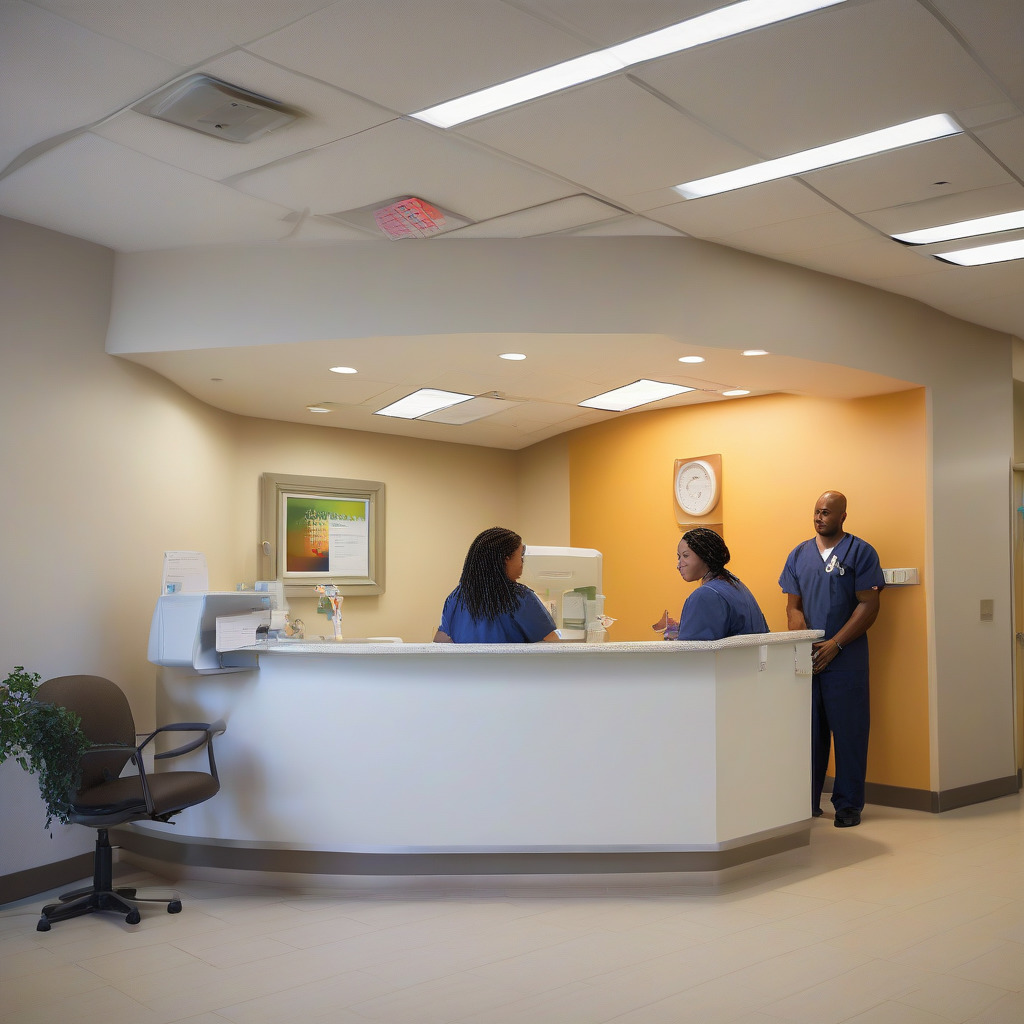
This happens to Houstonians constantly. The metro has dozens of freestanding emergency rooms — owned by Memorial Hermann, Houston Methodist, HCA Houston Healthcare, Altus Emergency Centers, Legacy ER & Urgent Care, and others — scattered across every suburban corridor. They look like urgent cares. Some are even called things like “Emergency Care Center” or “ER & Urgent Care.” But they bill like hospital emergency rooms, because under Texas law and federal Medicare rules, that’s exactly what they are.
July is the worst month for this. Heat exhaustion, fireworks lacerations, pool injuries, ankle sprains from summer-league softball — these are the complaints that send Houstonians to a building they found on Google Maps without reading the fine print. Here’s what you need to know before that happens.
What Is a Freestanding ER and How Is It Different From an Urgent Care?
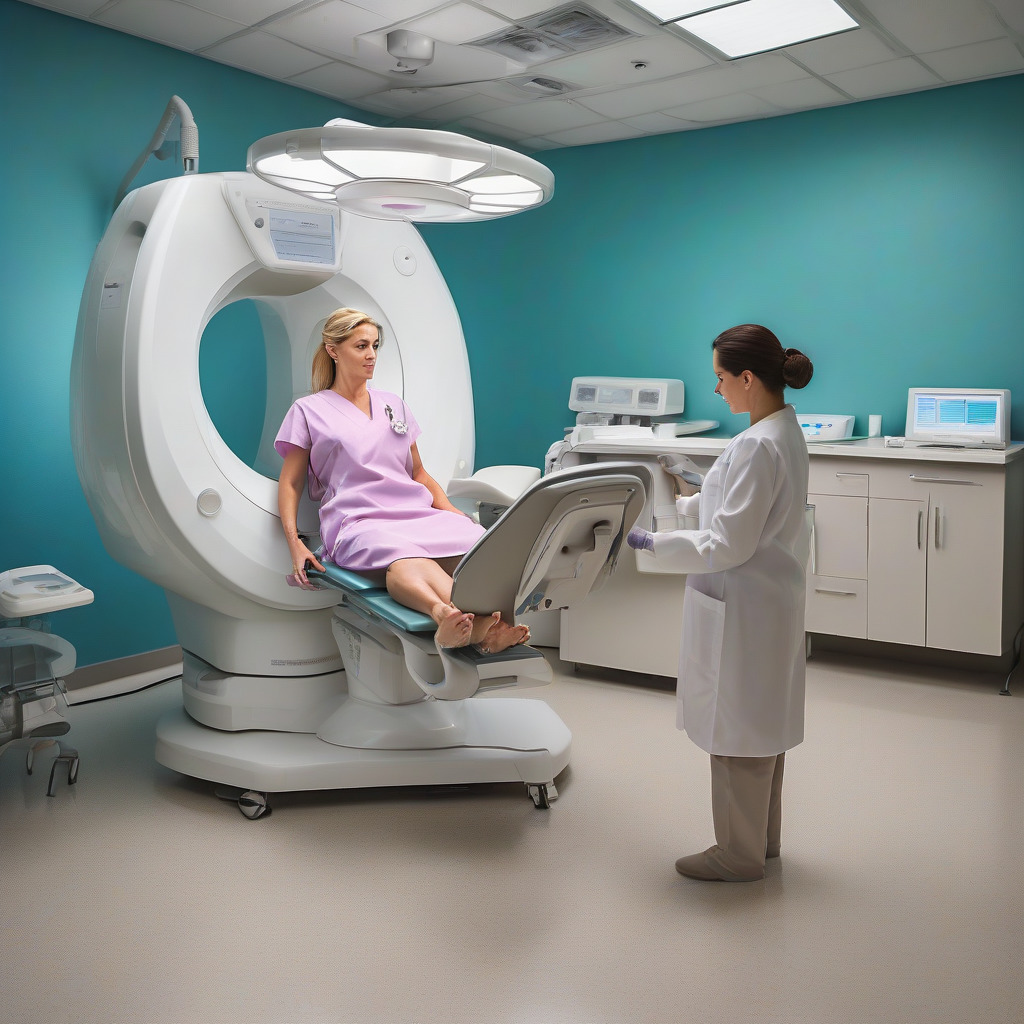
A freestanding emergency room is a licensed emergency medical care facility that operates independently from a hospital campus but provides the same scope of care as a hospital-based ER. Emergency physicians on staff. Labs, imaging, CT scans. The ability to stabilize patients before transfer if needed. In Texas, these facilities are licensed under the Texas Health and Safety Code and regulated by the Texas Department of State Health Services.
An urgent care is a different animal. It typically has a physician, nurse practitioner, or physician assistant and handles non-life-threatening complaints. It can’t admit patients or perform the same scope of diagnostics, and it can’t handle true emergencies.
The financial difference is where it gets painful. Urgent cares bill under an outpatient or office-visit fee schedule. Freestanding ERs bill under hospital emergency department rates — facility fees, ER-level physician fees, an acuity-coded billing structure — and that combination can turn a 45-minute visit into a four-figure bill. That last part is what people never see coming.
If your situation is a genuine emergency — chest pain, stroke symptoms, major trauma, severe allergic reaction, uncontrolled bleeding, infant fever, head injury with loss of consciousness, difficulty breathing — go to an ER. No debate. But a laceration that needs stitches, a sprained ankle, dehydration without confusion, a UTI, a sinus infection: all of these will be treated just as competently at an urgent care, and the bill will be a fraction of the cost. The care may be identical. The bill will not be.
How to Tell From the Outside Whether You’re at a Freestanding ER
Texas law requires licensed freestanding ERs to post exterior signage using the phrase “Emergency Medical Care Facility.” They’re always open 24 hours. Those two facts are your clearest street-level signal.
Look also for ambulance access bays. Check your insurer’s online provider directory before you go — freestanding ERs will be categorized as emergency facilities, not urgent cares or physician offices, and will often carry a separate facility fee indicator.
The naming problem in Houston is specific and worth understanding. Memorial Hermann brands its freestanding locations as “Emergency Care Centers” — clinical, neutral, tells you nothing about what you’ll be billed. Houston Methodist uses similar branding for its off-campus emergency locations. Legacy ER & Urgent Care operates locations across the Houston area using hybrid branding that implies you might be choosing between service levels. You’re not. All visits are billed at ER rates regardless of why you came in. Once you walk through the door, there’s no urgent care pricing track. It doesn’t exist.
Altus Emergency Centers runs multiple standalone locations across the metro, including Baytown and Pearland. These are independently operated — not hospital-system-owned — and their network status varies substantially by insurance plan. That variation determines what you actually owe, so it’s worth checking before you pull into the parking lot.
To verify: Search the facility name in your insurer’s online directory and confirm whether it’s listed as an emergency facility or urgent care. CMS hospital price transparency rules now require freestanding ERs affiliated with hospital systems to post machine-readable price files on their websites. Memorial Hermann and Houston Methodist both publish these. They’re not light reading — navigating them is a project — but they’ll tell you the billed charge for common services before you set foot inside.
One footnote on the Houston market: Neighbors Emergency Center, once one of the city’s largest independent freestanding ER operators with more than 20 metro locations, filed for bankruptcy and shut down in 2019–2020. Memorial Hermann and Houston Methodist absorbed much of that off-campus ER market. More of these facilities are now in-network for major local plans as a result — but the billing structure hasn’t changed at all.
What Texas Law Requires Freestanding ERs to Tell You Before Treatment
Texas Health and Safety Code Chapter 254 imposes specific disclosure requirements on freestanding ERs that most patients never read, partly because they arrive in pain and partly because the facilities aren’t always aggressive about surfacing them. Freestanding ERs in Texas must post notice that they charge facility fees in addition to physician fees, billed separately. They must provide written out-of-network disclosure before non-emergency treatment if the facility is out of network with your plan. They must also post a price list of their 50 most common services.
Those posted prices are chargemaster rates — full sticker price before any insurance negotiation. They’re not what most insured patients actually pay. But they tell you which billing tier you’ve entered, and the gap between an urgent care tier and a freestanding ER tier is structural, not marginal.
The 2019 Texas Surprise Billing Law (SB 1264) added another layer of protection. Freestanding ERs can’t balance-bill patients for out-of-network emergency care beyond their in-network cost-sharing amounts under state-regulated health plans. That’s real. Here’s where it gets frustrating, though.
SB 1264 applies only to fully insured health plans regulated by the Texas Department of Insurance. It does not apply to self-insured employer plans, which are governed by federal ERISA law. This is not a minor carve-out. Houston’s energy sector, petrochemical industry, port and logistics employers, and most major corporate headquarters offer self-insured plans. If your coverage comes through one of those employers, Texas’s surprise billing protections don’t apply to your plan. Federal protections exist, but the dispute resolution process is slower and less accessible to individual patients.
If you’re unsure whether your plan is fully insured or self-insured, call the member services number on your insurance card and ask directly. The answer determines which laws protect you in a dispute, and the difference is substantial.
What a Visit Actually Costs: Freestanding ER vs. Urgent Care in Houston
The figures below reflect the general range of negotiated rates and cost-sharing structures described in CMS price transparency filings and insurance plan documents for this market. They’re not quotes from any specific bill.
Laceration requiring stitches, non-life-threatening. An urgent care in Houston — NextCare, or a local independent — will typically charge an in-network copay of $25–$75 with no facility fee. Total billed charges run roughly $150–$350. A freestanding ER owned by a hospital system and in-network with your plan will generate a facility fee that typically runs $800–$2,000 or higher, depending on the acuity level assigned. On top of that, you’ll get a separate physician bill from the emergency physician group (often a separate company with its own network contracts) of $200–$800. Your in-network cost-sharing typically runs $250–$500 or more, plus whatever portion of your deductible hasn’t been met yet. Same stitches. Wildly different outcome.
Ankle sprain. At an urgent care, an X-ray, evaluation, wrap or boot, and full visit typically bills in the range of $150–$350 with no facility fee and a copay of $25–$75. The same clinical workup at a freestanding ER is billed under an emergency facility fee structure. The facility fee alone can run $500–$3,000 before the physician bill arrives.
Dehydration with nausea, IV fluids needed, no confusion or altered mental status. IV hydration is a common freestanding ER service and is billed at ER rates. The facility fee for a Level 3 or Level 4 visit — the acuity codes most commonly assigned to IV hydration — can reach $500–$3,000 or higher. Physician group bills separately on top of that.
That acuity coding system is where much of the financial shock originates, and it’s worth explaining plainly. When you arrive at a freestanding ER with a sprained ankle, the facility doesn’t bill a flat rate for “sprained ankle.” It assigns your visit an Emergency Department Evaluation and Management level — Level 1 through Level 5 — based on the complexity of the workup performed, not on how sick you are. If the physician orders an X-ray, a complete blood count, and a urine dip (all standard practices for ankle injuries), that workup can justify a Level 3 or Level 4 code. A Level 3 or 4 facility fee at a major Houston hospital system can run $800–$2,000 in billed charges. This is standard practice in emergency medicine billing, and there’s nothing meaningful a patient can do to contest it at the time of the visit.
The two-bill structure catches people off guard every time. The facility bill — from Memorial Hermann, Houston Methodist, or whoever operates the building — and the physician bill from the independent emergency physician group arrive separately, sometimes weeks apart, and may have different in-network status under your plan. A facility can be in-network while its physician group is not. It’s among the most common billing complaints in this market, and registration staff are not obligated to explain it to you unprompted. For a broader look at how Houston’s major hospital systems compare on patient experience, our ER wait times and hospital comparison coverage has additional context on how these systems operate.
What the Federal No Surprises Act Does and Doesn’t Cover at a Freestanding ER
The No Surprises Act took effect January 1, 2022, and applies to all group health plans, including self-insured employer plans. Its core ER protection: if you receive emergency services at an out-of-network freestanding ER, the facility and its physicians can’t balance-bill you beyond your in-network cost-sharing amount. Your out-of-pocket exposure is capped at what you would have paid in-network under your plan.
This was a long time coming. Before the law, an out-of-network freestanding ER could bill your insurer, collect a partial payment, and send you a bill for the rest — sometimes tens of thousands of dollars. That’s now prohibited for emergency services.
The facility fee still exists, though. The law caps your cost-sharing on it; it doesn’t make it disappear. A large facility fee will still hit your deductible at full force before your insurer begins sharing costs. And if you sign an out-of-network consent form for non-emergency care, you’ve waived the protection for that visit. No exceptions. Read anything they hand you at registration before you sign it.
For self-insured plans, the No Surprises Act emergency protections still apply — but payment disputes between the insurer and the facility go through a federal independent dispute resolution process, not a Texas state process. It’s slower and harder for individual patients to navigate. If you’re on a self-insured employer plan and have a billing dispute, escalate through your employer’s HR benefits department and ask about the plan’s internal appeals process and the federal IDR process. The Texas Department of Insurance can’t help you.
One more thing that belongs in this section: ambulance billing is carved out of No Surprises Act protections almost entirely. If you arrive at a freestanding ER by ambulance, your ambulance bill operates under a separate and considerably less patient-friendly set of rules. Federal rulemaking on ground ambulance billing is ongoing. The practical result is three separate bills — ambulance, facility, physician — with different in-network statuses and different legal protections. Three bills, three sets of rules, one bad day.
How You Can End Up at a Freestanding ER by Ambulance
Freestanding ERs in Texas are licensed emergency medical care facilities, which means Houston Fire Department EMS units and Harris County Emergency Services District units can legally transport patients to them. In parts of Katy, Cypress, Pearland, and the northern reaches of Harris County, a freestanding ER may be the closest licensed emergency facility. EMS protocols and medical judgment govern destination decisions. A patient who is stable has some ability to request a specific destination, but in a genuine emergency, the paramedic crew decides.
Houston Fire Department and Harris County ESD don’t publish formal public guidance specifically addressing freestanding ER destination decisions. If you want to know the transport protocols for your area, contact your local ESD directly. This is harder to find out than it should be — and it’s worth knowing before something happens, not after.
Which Conditions Actually Need an ER and Which Ones Don’t
Go to an emergency room — call 911 if transport is needed — for: chest pain or pressure; stroke symptoms (sudden facial drooping, arm weakness, slurred speech, sudden severe headache); difficulty breathing; anaphylaxis or severe allergic reaction; major trauma; uncontrolled bleeding; infant fever in a baby under three months; head injury with loss of consciousness; seizure; severe abdominal pain; signs of heat stroke (confusion, no sweating despite heat, loss of consciousness). That last one is worth flagging separately: heat stroke and heat exhaustion are not the same thing, and knowing the difference before July matters.
Urgent care handles these just fine: lacerations needing stitches that aren’t arterial or life-threatening; sprains and strains; UTI symptoms; ear and sinus infections; mild to moderate heat exhaustion with intact mental status and the ability to hydrate orally; minor burns on a small surface area; nausea and vomiting without signs of severe dehydration; cold and flu symptoms; pink eye; minor allergic reactions without breathing difficulty or throat swelling.
Consider telehealth first for: prescription management and refills; mild respiratory illness; rashes without systemic symptoms; known-condition follow-up; figuring out whether a symptom warrants in-person care at all.
For urgent care across the Houston metro, NextCare and independent urgent care clinics handle the full range of non-emergency walk-in complaints, with extended hours seven days a week. If you want to know which walk-in facilities deliver consistent care without the billing trap, our coverage of which Houston urgent care centers are actually worth going to in 2026 breaks down the metro’s options by location and service quality. For telehealth, Houston Methodist Now and Memorial Hermann Virtual Care both offer on-demand video visits covering a wide range of summer complaints — and neither charges a facility fee. That last part is the whole point.
What to Do Before You Walk In
Check network status before you go. Pull up your insurer’s provider directory and search the facility name. Confirm it’s listed as in-network. If it’s a freestanding ER, check separately whether the physician group that staffs it is also in-network. Those are not always the same, and the registration desk won’t volunteer the distinction.
Ask two questions at registration: “Is this facility in-network for my plan?” and “Will I receive a facility fee bill separate from the physician bill?” Both are yes-or-no questions. If the staff member can’t answer, call your insurer’s member services line from the waiting room before you hand over your insurance card. Yes, while you’re sitting there. Five minutes.
Read before you sign. Look at any registration paperwork for language about out-of-network consent. Signing a waiver for non-emergency care surrenders your No Surprises Act protection for that visit, full stop.
Request an itemized bill. If a bill arrives that seems disproportionate to what happened, request a complete itemized statement. Billing errors — duplicate charges, miscoded services — occur more often than they should at any facility type.
File a complaint if disclosures weren’t made. If a freestanding ER failed to post required price lists or didn’t provide out-of-network written disclosure before non-emergency treatment, the complaint authority is the Texas Department of State Health Services. If you’re on a self-insured employer plan, that agency can’t help — go to HR and ask about the plan’s internal appeals process.
Use your insurer’s nurse line. Most major health plans include a 24-hour nurse advice line at no charge. Call it when you’re unsure whether something needs an ER. The nurse can help you figure out whether you need emergency care, urgent care, or nothing tonight. That call costs nothing and takes five minutes. It can also save you several thousand dollars, which is not a small thing.
Houston’s freestanding ER market is mature, dense, and heavily marketed. The facilities themselves are often excellent — for actual emergencies, they’re exactly what you want nearby. The problem is the billing structure is opaque and the names are designed to be ambiguous, and every summer thousands of Houstonians pay full emergency room prices for complaints that any urgent care in the city could have handled. The care was fine. The bill was the problem. Knowing the difference before you need it is the only move that actually works.
For more local coverage, explore our Health & Wellness section.