Which Houston Restaurants Let You Bring Your Own Wine and What It Will Cost You
Existing roundups are outdated and vague. We called the restaurants.

Existing roundups are outdated and vague. We called the restaurants.
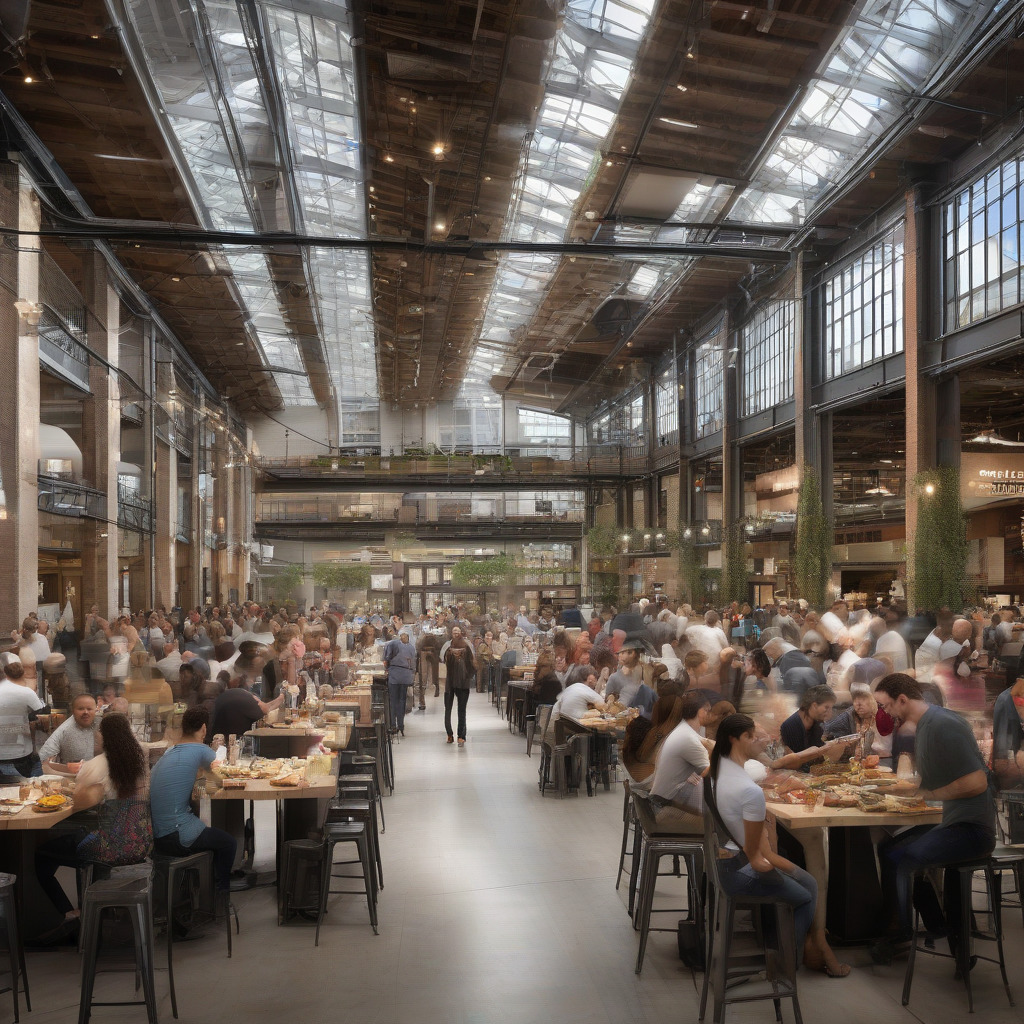
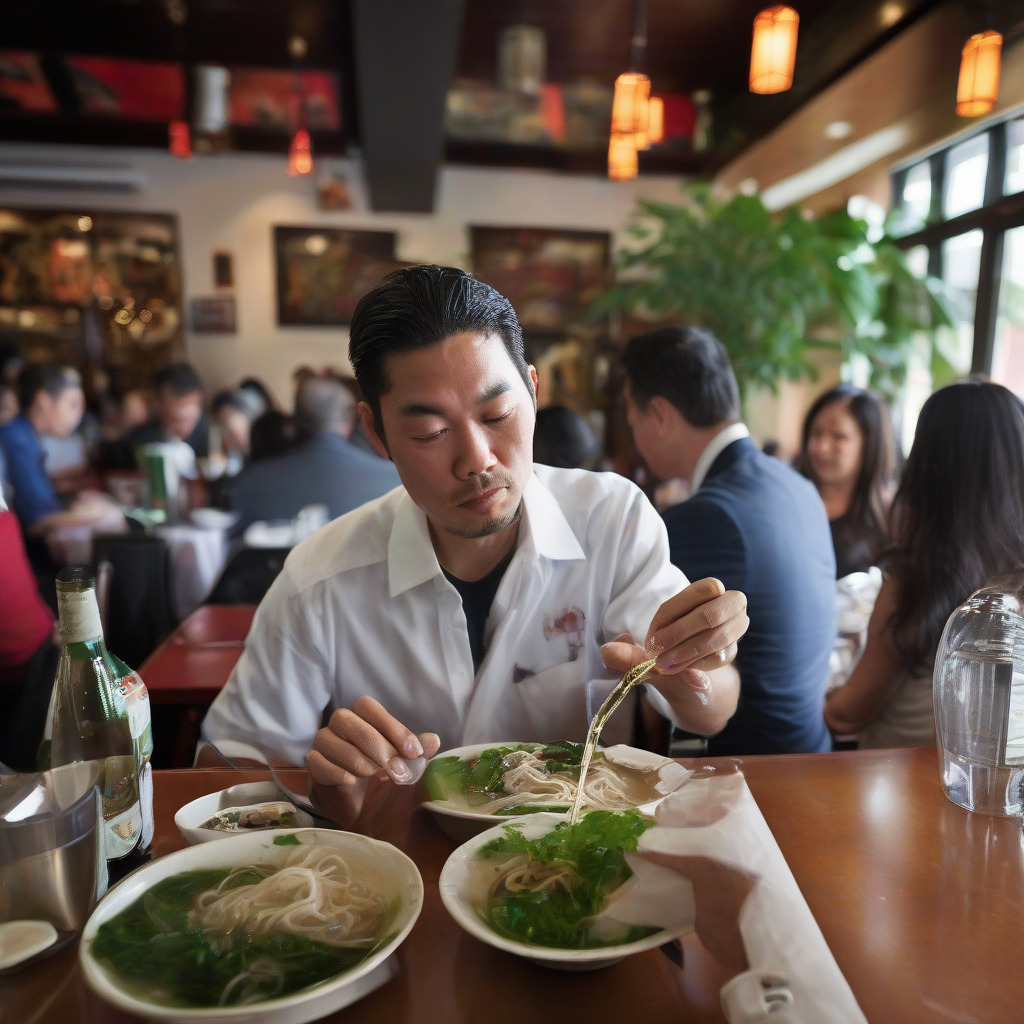
Houston has one of the most genuinely BYOB-friendly dining cultures in Texas. Not because of any city ordinance, but because of its restaurant composition. The Vietnamese corridor along Milam and the surrounding blocks of Midtown, the Pakistani and South Asian kitchens running down Hillcroft and Harwin in Southwest Houston, the Indian restaurants in Montrose — a substantial portion of these establishments operate without any alcohol license at all.
No license means no corkage fee. Walk in with a six-pack or a bottle of wine and nobody charges you, because there’s nothing to charge for.
That’s a different animal from a licensed restaurant with a corkage policy. Most Houston BYOB roundups treat the two as interchangeable. They’re not. Yelp listings go stale after an ownership change. Some widely shared lists still include restaurants that have since obtained full liquor licenses, converted concepts, or closed entirely. Readers calling ahead based on those lists waste a trip or show up embarrassed — and if you’ve ever been that person at the host stand, bottle in hand, you know exactly how that feels.
This guide does one thing differently: we contacted every restaurant listed before publication. Entries that couldn’t be confirmed by phone are excluded or explicitly flagged. Fees are stated as quoted. Policies that differ between weekdays and weekends are noted. If something changes after we publish — and it will — the final section tells you exactly what to ask when you call.
Is BYOB Legal in Houston?
Yes. Harris County is a wet county, and Texas state law permits guests to bring their own alcohol to restaurants that don’t hold a TABC license. No permit is required for the diner.
Three license categories matter here:
A restaurant with no TABC permit at all is the most permissive situation for diners. Guests may bring wine, beer, or spirits. The restaurant can’t sell alcohol in any form, and because there’s no license framework governing what gets consumed on the premises, there’s no regulatory limit on what you bring. This is the category most Houston BYOB restaurants fall into.
A Beer and Wine permit means the restaurant is licensed to sell beer and wine. Bringing your own exists in genuine gray area — some of these places accept corkage on wine, many decline anything because their permit creates liability. The owner has to make that call individually, and the answer varies.
A Mixed Beverage permit means a full liquor license. Texas has no statute explicitly barring corkage at these restaurants, but most decline it anyway. An MB permit comes with strict TABC accountability for every ounce of alcohol consumed on the premises. A guest’s personal bottle complicates that chain of custody, and most owners would rather not deal with it. Exceptions exist — see below — but they’re the minority, and frankly, the ones that do allow it usually don’t advertise it.
BYOB vs. Corkage: Why the Difference Matters
These two terms get used interchangeably in Houston dining coverage. They describe fundamentally different arrangements.
True BYOB means the restaurant holds no alcohol license. You supply the bottle — wine, beer, sake, spirits — and the restaurant supplies a glass. No corkage fee, because there’s no licensing overhead to offset. The Vietnamese pho shops, the Pakistani family restaurants, the Indian lunch counters on Hillcroft: these are true BYOB spots. You could bring a flask of scotch and nobody’s breaking any rule.
Corkage is more specific. A licensed restaurant agrees to let you bring a bottle of wine — almost always wine, almost always commercially sealed — and charges a per-bottle fee for the service of opening and pouring it. The fee offsets lost wine-list revenue. At these restaurants you’re operating inside the restaurant’s license framework, which is why they get to set the terms: wine only, sometimes limited to two bottles, sometimes with opinions about whether you can bring something that appears on their own list.
Houston’s BYOB scene is predominantly the first kind. That’s what makes it unusual compared to other Texas cities, and what most existing guides fail to explain clearly. You’ll find more detail on this dining landscape in our food & hospitality coverage.
For corkage at licensed spots, expect $15–$35 per bottle at mid-range Houston restaurants with a formal policy, and more at fine dining — though confirmed upper-end examples in Houston are harder to find than in Austin or Dallas, which is honestly one of the better-kept secrets about eating here.
Verified Houston BYOB Restaurants, by Neighborhood
What follows is the core of this guide. Every entry was confirmed by direct phone contact before publication. Restaurants that couldn’t be reached or gave contradictory information across calls aren’t included.
Midtown and Near Downtown — The Vietnamese Corridor
Café TH (2108 Pease St., Midtown) No license, no fee. Wine, beer, and spirits all permitted. No advance notice required, no stated bottle limit. A patio-facing café where bringing a bottle of rosé or a sixer of craft beer is entirely routine — staff confirmed no restriction on beverage type and didn’t hesitate when asked.
Huynh (912 St. Emanuel St., near Minute Maid Park) No license, no fee. Wine, beer, and spirits permitted. No advance notice required. Huynh is a common pre-game stop for Minute Maid events — parties routinely arrive with wine and beer, and the staff is used to it. The restaurant fills quickly on event nights, so call the afternoon of if you want to confirm a table, but the BYOB policy is stable.
Pho Binh (Milam location, Midtown-adjacent) No license, no fee. Beer confirmed permitted; wine as well. Bring a beer with your rare beef and tendon — nobody raises an eyebrow. Note that Pho Binh has multiple Houston locations and expansion spots may differ; confirm your specific location when you call.
Mai’s Restaurant (3403 Milam St., Midtown) No license, no fee. Wine and beer confirmed. Staff indicated spirits aren’t actively refused but noted it’s less common. Late hours and a reliable kitchen make this a useful option for groups wanting to bring a bottle before or after other plans in Midtown.
Southwest Houston — The Hillcroft Corridor
Himalaya Restaurant (6652 Southwest Fwy., near Hillcroft) No license, no fee. Wine, beer, and spirits all confirmed. No advance notice required, no bottle limit. One of Houston’s best-regarded Pakistani kitchens, and the BYOB policy here is about as open as it gets — bring what you want. Staff confirmed this without qualification.
Aga’s Restaurant and Catering (6025 Hillcroft Ave.) No license, no fee. Wine, beer, and spirits permitted. No advance notice required, though staff noted they appreciate a heads-up for parties of eight or more so the kitchen can prepare. A large-format Pakistani restaurant that’s comfortable with big groups and mixed beverages.
Udipi Café (5959 Hillcroft Ave.) No license, no fee. Wine and beer confirmed. The fully vegetarian South Indian menu shapes what people tend to bring — lighter whites and sparkling wines are popular among regulars — but staff confirmed no restrictions on type. The BYOB policy has been consistent here for years.
Montrose and Upper Kirby — Indian and Mediterranean
Shiva Indian Restaurant (2514 Times Blvd., Upper Kirby/Rice Village) No license, no fee. Wine and beer confirmed; spirits weren’t explicitly refused but worth confirming when you call. A neighborhood Indian restaurant in the Rice Village area where bringing a bottle is unremarkable. Staff confirmed no advance notice required for standard parties.
Aladdin Mediterranean Cuisine (912 Westheimer Rd., Montrose) No license, no fee at time of verification. Wine and beer confirmed permitted. A long-running Montrose spot where bringing wine is common enough that staff answer the BYOB question without hesitation. Confirm the spirits policy when calling — the response on that specific question was less definitive than on wine and beer.
Galleria and Westheimer — Japanese Corkage
Kaneyama Japanese Restaurant (9527 Westheimer Rd., near Galleria) Beer and Wine permit at time of verification. Corkage available for wine at $15 per bottle — the lowest confirmed fee in this guide for a licensed restaurant. Informally around two bottles per table, though staff didn’t state a hard cap. Beer and spirits not accepted under corkage. Calling ahead is appreciated for parties of four or more.
One thing worth flagging: if you’re considering bringing a bottle of sake from a personal collection and want it treated as wine under the policy, ask specifically. Staff responses on that question varied across calls, which suggests it hasn’t been formally resolved at the management level.
Fee Summary
| Restaurant | Neighborhood | License | Corkage Fee | Bottle Limit | Beer/Spirits OK | Advance Notice |
|---|---|---|---|---|---|---|
| Café TH | Midtown | None | None | None stated | Yes — both | No |
| Huynh | Near Downtown | None | None | None stated | Yes — both | No (call event nights) |
| Pho Binh (Milam) | Midtown-adjacent | None | None | None stated | Beer confirmed | No |
| Mai’s Restaurant | Midtown | None | None | None stated | Wine and beer | No |
| Himalaya | SW Houston | None | None | None stated | Yes — all types | No |
| Aga’s | SW Houston | None | None | None stated | Yes — all types | No (large parties, yes) |
| Udipi Café | SW Houston | None | None | None stated | Wine and beer | No |
| Shiva | Upper Kirby | None | None | None stated | Wine and beer | No |
| Aladdin | Montrose | None | None | None stated | Wine and beer | No |
| Kaneyama | Galleria/Westheimer | Beer & Wine | $15/bottle | ~2 (informal) | Wine only | Recommended for 4+ |
Can I Bring Beer and Spirits, or Just Wine?
This is the question almost no competing guide answers directly. It’s also the one that most often produces a bad outcome — you show up with the wrong bottle and have an awkward conversation with the host.
At Houston’s unlicensed restaurants, the answer is generally yes to all of it. The Vietnamese spots in Midtown, the Pakistani kitchens on Hillcroft, the Indian and South Asian restaurants on the Southwest side — no TABC license means no license framework limiting what you bring. Guests routinely bring beer, sake, soju, spirits, and wine without anyone raising a concern.
That said, individual owners have preferences. Some unlicensed restaurants will politely ask you to keep it to beer and wine even though they’re under no obligation to do so. A few have informal rules against hard liquor because they don’t want the atmosphere to shift, or they’ve had bad experiences. None of this is posted on websites. You have to ask.
The calculus flips at licensed restaurants. An MB or Beer and Wine permit holder accepting outside alcohol takes on liability for what happens on their premises. Most take the safest position: wine only, sealed commercial bottles, nothing else. Spirits are almost universally declined at licensed corkage restaurants.
When you call, ask specifically. Not “do you allow BYOB” — that question gets a general answer that may not hold when you walk in with a six-pack. Ask: “Can we bring beer?” Ask: “Can we bring whiskey?” The specificity usually gets a straight answer, and it signals to whoever’s on the phone that you’ve thought this through.
What About Restaurants With a Full Liquor License?
Nothing in Texas law explicitly bars an MB-permit holder from accepting a guest’s personal bottle. In practice, most full-bar Houston restaurants say no. The reason is liability, not statute.
An MB permit holder is accountable under TABC rules for all alcohol consumed on their licensed premises. If a guest brings a bottle and something goes wrong later, the restaurant’s permit — and the liability insurance attached to it — gets pulled into whatever happened. Most owners would rather just decline. Hard to argue with the logic, even when it’s inconvenient.
Some upscale Houston restaurants with long wine lists do maintain a formal corkage policy for clients who arrive with bottles from personal cellars. At these places, corkage is offered at the sommelier’s discretion, typically for wine only, typically for bottles not on their own list, and typically at $25–$50 per bottle. We couldn’t confirm specific examples at the high end of Houston’s dining scene during our verification calls — several restaurants either declined to confirm a policy or said it had changed — and we’d rather leave a gap than publish a detail that’s wrong.
Call and ask the question directly: “Do you have a corkage policy, and what’s the fee?” That phrasing signals you understand it’s a formal arrangement, not a loophole. You’ll get a more useful answer from a floor manager than from a host fielding a Saturday night rush. Ask for a manager if the first person who picks up seems unsure — it’s worth the extra thirty seconds.
What’s a Typical Corkage Fee in Houston?
Houston’s corkage fee picture is simpler than most cities’ because the bulk of the city’s BYOB dining happens at genuinely unlicensed restaurants where the fee is zero. That’s the baseline here, and it’s a good one.
Among licensed restaurants with a formal policy, the range is roughly $15–$35 per bottle for mid-range dining. Kaneyama at $15 is at the low end of that tier. Restaurants with more formal wine programs tend to land in the $25–$35 range — though confirmed figures shifted enough during our calls that we’re not publishing specific fee claims for spots we couldn’t pin down.
Compare that to Austin, where corkage at mid-range licensed restaurants routinely runs $25–$50. Houston’s fees, where they exist at all, are lower — and the gap is bigger than most people realize.
The math still works in your favor even when you pay corkage. A $20 fee on a $45 retail bottle that would appear on a restaurant list at $90 still puts your total well below ordering off the menu. It only stops making sense if you’re bringing something cheap enough that the fee exceeds what the restaurant would pour for the same price. Think about that before you pack the bottle.
For no-fee BYOB with full flexibility on beverage type, Himalaya and Aga’s are the strongest options in this guide. Both permit wine, beer, and spirits without charge or complication. Café TH offers a more atmospheric sit-down setting for the same arrangement. If you want a licensed corkage setting and you’re bringing wine, Kaneyama at $15 per bottle is the best value currently confirmed in Houston.
The Four Questions to Ask Before You Bring a Bottle
Policies change. Ownership turns over. A restaurant unlicensed for a decade gets a Beer and Wine permit and the counter staff gives different answers depending on who picks up. Nothing in this guide — or any other guide — replaces a two-minute call the day of your reservation.
“Do you allow guests to bring their own wine or alcohol?” If the answer is no, you’re done. If yes, keep going.
“Is there a corkage fee, and how much per bottle?” Ask this even at unlicensed restaurants. Staff sometimes improvise fees that aren’t actual policy. Knowing the answer before you sit down prevents friction at the table — the kind that ruins an otherwise good dinner.
“Is there a limit on how many bottles we can bring?” Unlicensed restaurants may have no stated limit but still have preferences. Licensed corkage restaurants almost always cap it at two bottles per table. Showing up with a case of wine is bad form regardless.
“Are beer and spirits permitted, or wine only?” Ask by name. “Can we bring beer?” “Can we bring whiskey?” The specificity gets a real answer. At a licensed restaurant, ask for a manager if the first person who answers seems uncertain — whether to accept outside bottles under an MB permit is a managerial decision, not something a host station employee can reliably answer.
The policies in this guide were verified at time of publication. Call before you go.
CityDesk Houston contacted each restaurant listed in this guide directly before publication. Restaurants that could not be confirmed or gave contradictory information across calls are not included. TABC license status is subject to change; confirm current status with the restaurant before visiting.