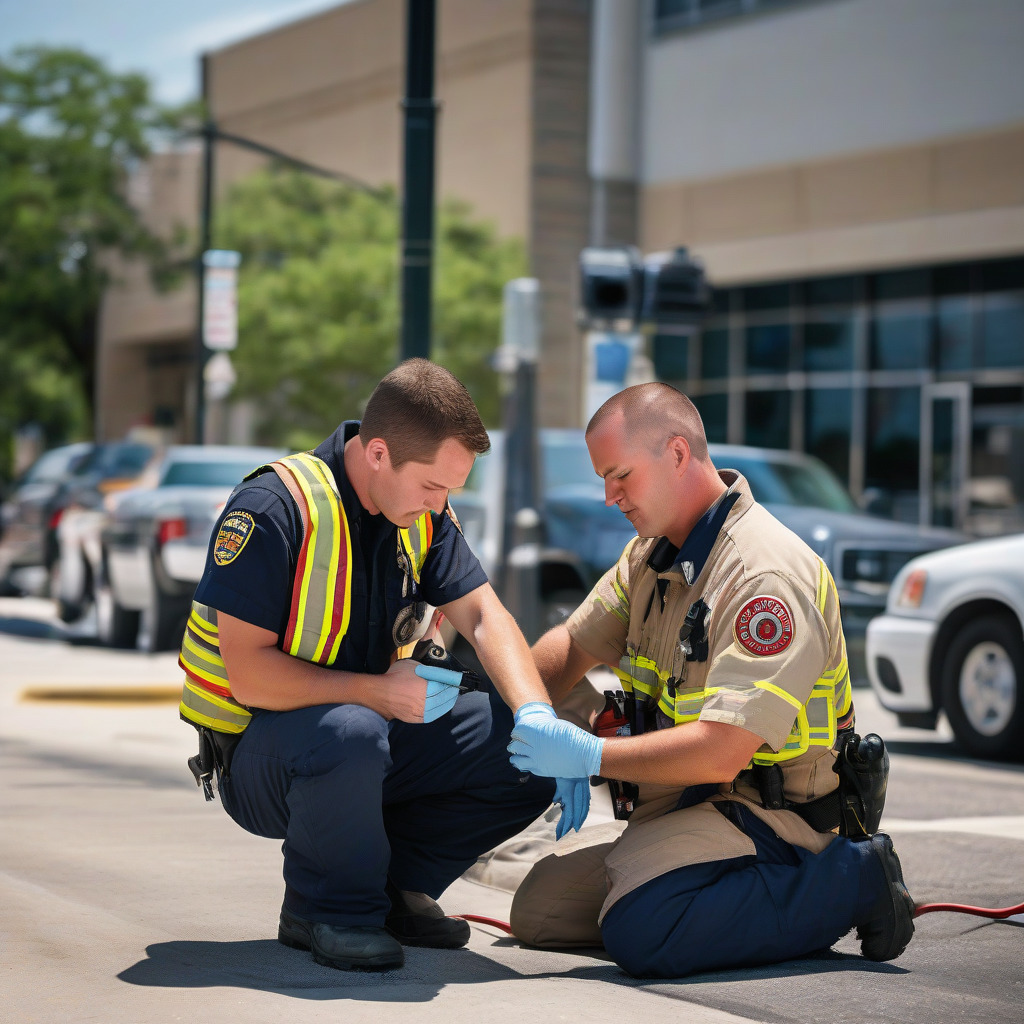
How to Prepare Your Medications and Medical Needs for Hurricane Season in Houston
Texas law gives Houston patients more pharmacy options than most people know. Here's exactly how to use them — and what to do if you're on dialysis, depend on refrigerated insulin, or run a generator.

Texas law gives Houston patients more pharmacy options than most people know. Here’s exactly how to use them — and what to do if you’re on dialysis, depend on refrigerated insulin, or run a generator.
If Hurricane Beryl taught Houston anything in July 2024, it’s that the standard federal advice — build a 72-hour kit, have three days of supplies — was written for a different city’s disaster profile. When CenterPoint outages stretched across Harris County for one to two weeks in summer heat, residents managing chronic illness faced a compound emergency that no three-day kit was designed to handle. Diabetics watched insulin degrade in 95-degree homes. Dialysis patients scrambled to find open clinics 200 miles away. Patients on maintenance medications discovered their insurer wouldn’t authorize an early refill without a declaration that wouldn’t come for another 48 hours.
This guide is built around Houston’s actual conditions: a realistic 7-to-14-day power loss in August heat, when the heat index regularly hits 105°F and older homes lose their interior cool within hours. Every step is sequenced by when you need to act, not by severity. The most important actions happen before June 1 — before any storm is named, before the cone appears on TV. By the time a watch turns to a warning, you should be executing a plan, not building one.
Register With the Harris County Accessible Needs Registry Before June 1
This is the single most important step for Houston residents who depend on electricity, home health services, or medical equipment to survive. It’s also the most consistently skipped — and I genuinely don’t understand why, because it’s free, takes about 20 minutes, and the potential upside is enormous.
The Harris County ATCEMS Accessible Needs Registry is a pre-disaster database maintained through Harris County and the City of Houston’s Office of Emergency Management, in coordination with the Mayor’s Office of People with Disabilities. It qualifies residents for priority welfare checks and evacuation assistance when emergency resources are deployed during a declared disaster. It’s built for a specific population: oxygen-dependent patients, dialysis patients, residents with significant mobility limitations, and people receiving home health services who can’t safely self-evacuate.
Registration needs to happen well before storm season. The registry’s value comes from pre-positioned data — emergency managers need your address, your medical dependency, and your mobility status before landfall, not after. Trying to register during a watch is unreliable. The portal is at harriscountytx.gov; the Mayor’s Office of People with Disabilities can assist residents who have trouble with the online process or want to confirm their registration is still active.
For a medically vulnerable resident on a fixed income who can’t independently execute an evacuation, being on this list means someone knows where you are before the storm hits. Evacuation assistance can be pre-staged. The registry doesn’t guarantee a specific response time and it’s not a substitute for your own plan — but the difference between being on it and not being on it can be decisive.
If you qualify and you’re not registered, do that first. Everything else in this guide is secondary.
How to Request an Emergency Prescription Refill Under Texas Law
Houston pharmacies can dispense extra medication before a hurricane. Texas law gives you real authority here — more than most patients realize.
Two separate provisions govern this, and they kick in at different points in the storm timeline.
Before a Governor’s disaster declaration, Texas pharmacists have discretionary authority to dispense an emergency refill of a maintenance medication — typically a 72-hour supply — when they determine a patient has urgent need and can’t reach their prescribing physician. If you’re running low on a blood pressure medication, an antidepressant, a thyroid drug, or another chronic-disease prescription and a storm is approaching, you can walk into a Texas pharmacy and ask for this. The pharmacist isn’t required to grant it, but they’re legally authorized to.
After a Governor’s disaster declaration, the authority expands. Texas Occupations Code Section 562.054 authorizes pharmacists to dispense emergency refills of maintenance medications up to a 30-day supply. Insurance friction mostly clears at this point. Commercial plans and Medicare Part D generally follow CMS emergency override rules once a state or federal declaration is in place, meaning early-refill restrictions are waived and the supply is covered.
The problem is the gap between storm formation and declaration — a window that can last 48 to 72 hours or longer. During that stretch, you may need a physician override, or you may need to pay out-of-pocket and seek reimbursement after the fact. That’s the window to prepare for, not the post-declaration period when the system mostly works.
At the pharmacy counter, say: “I need to request an emergency weather refill under the Texas disaster pharmacy provision — can you contact my insurer for an early refill override?” That language tells the pharmacist you know what you’re asking for. If a declaration is already in place, cite Section 562.054 by name. If you’re in the pre-declaration window, ask whether the pharmacist can use their discretionary 72-hour authority, and ask separately whether your prescriber can call in an override.
One practical note: H-E-B Pharmacy has maintained generator-powered operations through Houston storms longer than most national chain pharmacies. Their performance during Harvey and Beryl wasn’t accidental — it reflects local supply-chain investment and a store model built for this city. That’s not a knock on CVS or Walgreens, which may be fully operational near you, but H-E-B’s track record is real and worth factoring into your planning. Find your nearest location and its hours before storm season starts, not while you’re in a 10-block refill line during a watch.
Document every maintenance medication in your household: prescriber name, DEA number if applicable, pharmacy contact. If you evacuate and need a refill at a clinic in San Antonio or Dallas, this information saves hours.
What Dialysis Patients in Houston Must Do Before Hurricane Season Opens
Missing more than one or two dialysis treatments isn’t an inconvenience. It’s a medical emergency.
Houston has a large ESRD patient population, driven by the region’s diabetes and hypertension burden, and the evacuation logistics for dialysis-dependent patients are materially different from what other medically vulnerable residents face.
Call your clinic’s social worker this week. Every DaVita and Fresenius Medical Care clinic in the Houston area has a social worker whose job includes emergency planning. That person can give you an emergency contact card with the clinic’s storm-period hotline, the regional emergency coordinator’s contact, and the process for finding a receiving clinic if you evacuate. If you don’t have that card before June 1, get it now — this is a phone call, not a project.
DaVita’s national emergency line is 1-800-244-0680. Verify this number with your clinic, as routing can change. Fresenius maintains a parallel storm protocol through its patient services line; ask your Fresenius social worker for the current storm-period number for your region. Save both numbers in your phone today.
Houston’s two primary evacuation corridors are I-10 west toward San Antonio and I-45 north toward Dallas. Both have DaVita and Fresenius clinics at intervals. Before any storm forms, identify two or three receiving clinics along your planned route and confirm your medical records can be transmitted to them. Do this with your social worker before the season opens — not during a watch, when clinic phone lines are overwhelmed. The Texas Kidney Foundation maintains Houston-specific storm prep resources and can help patients who need coordination assistance; confirm their current contact information directly before the season begins.
If you’re a caregiver reading this on behalf of a dialysis patient: have a confirmed receiving clinic before a tropical depression becomes a named storm.
How to Store Insulin and Refrigerated Medications During a Houston Power Outage
Here’s something that genuinely frustrates me about the standard manufacturer guidance: the claim that insulin is stable at “room temperature up to 77°F for 28 days” is technically accurate. It’s also actively misleading for a Houston home in August that’s lost power.
An unshaded Houston house without air conditioning can hit 90°F to 100°F indoors within a few hours of losing power in peak summer. At those temperatures, the 28-day stability window collapses. Insulin begins degrading meaningfully above 86°F. For the formulations most commonly used by Houston diabetics — Lantus (insulin glargine), Humalog (insulin lispro), Novolog (insulin aspart) — heat exposure accelerates chemical breakdown and reduces potency. The part that keeps me up: degraded insulin doesn’t look different. A patient injecting it may not know it’s lost effectiveness until blood glucose readings start spiking in ways that don’t respond to their usual dose.
Frio evaporative cooling wallets are the most accessible solution. They run $15 to $30 and are widely available at Houston-area pharmacies. They work through evaporative cooling activated by water — no electricity, no ice. Houston’s humidity, which is oppressive for most purposes, actually favors this technology because it functions through moisture rather than dry air. Check the specific reactivation interval and effective temperature range on the packaging for whichever model you buy.
A 12V car-powered cooler plugged into your vehicle’s outlet maintains reliable refrigeration temperatures as long as you have fuel. It works well for evacuees or for anyone whose vehicle is accessible and fueled throughout an outage. If you haven’t already worked through how to prep your car for hurricane season in Houston, that checklist pairs directly with this one — fuel management and vehicle readiness affect every step of the insulin storage and evacuation math.
A hotel stay deserves a real cost-benefit look. Houston metro hotel rates during storm evacuations typically run $80 to $150 a night at mid-tier properties. A single vial of Lantus without insurance can cost $300 or more. If you’re managing a significant insulin supply that will degrade without power, two nights in a climate-controlled room may be cheaper than replacement — before you even count the health cost of a hyperglycemic crisis. Not every Houston resident can pull this off financially, which is exactly why the accessible needs registry exists. For those who can, the math often works out.
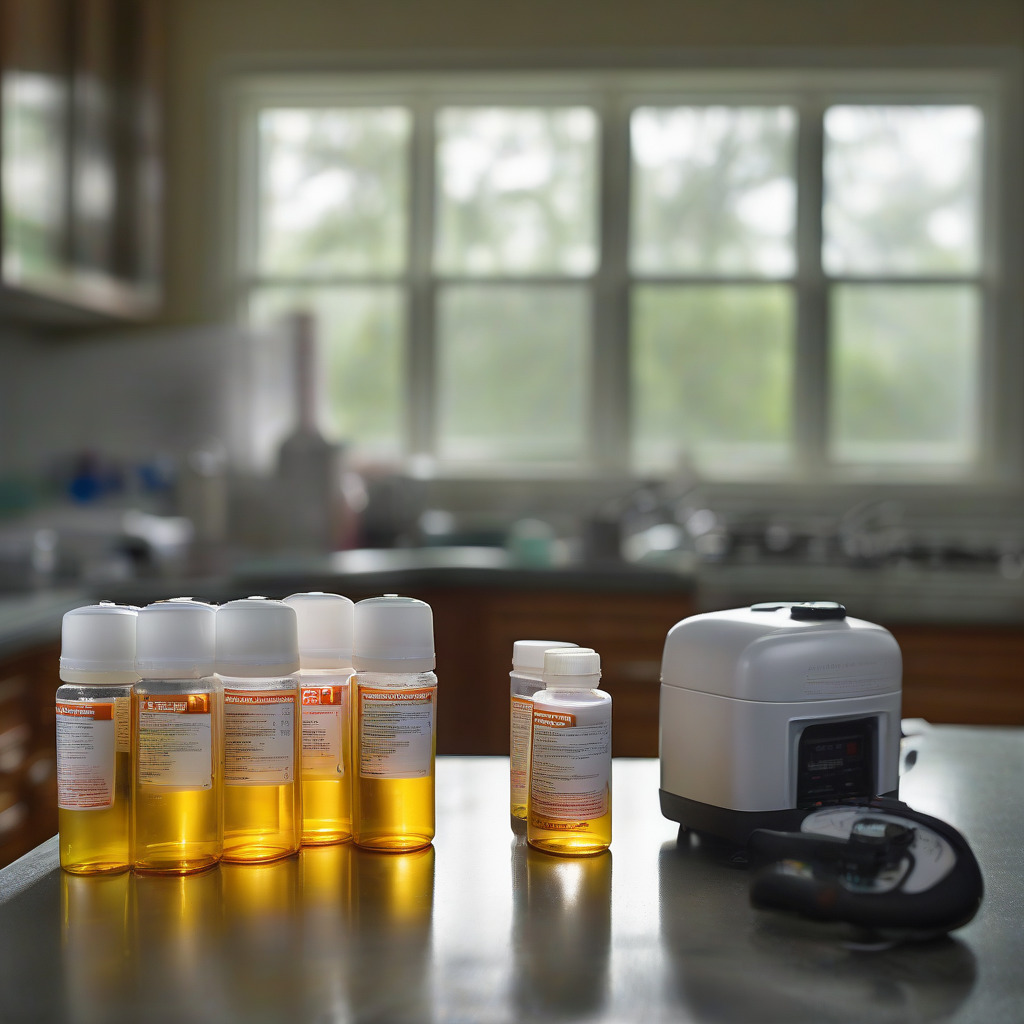
Houston’s Medical Center patient population includes a substantial number of residents on biologic medications — adalimumab (Humira), etanercept (Enbrel), and similar drugs require continuous refrigeration and cost thousands per dose. The same storage logic applies, with even higher per-dose stakes. Liquid antibiotics for pediatric patients, temperature-sensitive eye drops, certain hormone medications — all of these need a plan. Before storm season, inventory every refrigerated medication in your household, confirm the manufacturer’s upper temperature threshold, and assign each one a storage method. Your pharmacist can give you the specific stability profile for anything you’re unsure about. That’s a two-minute phone call.
Generator Carbon Monoxide Risk and What Houston’s Post-Beryl Deaths Mean for Your Setup
Carbon monoxide poisoning has historically been one of the leading causes of post-hurricane death in Texas, exceeding direct storm fatalities in some events. After Beryl in 2024, Harris County Medical Examiner records documented CO deaths among residents running generators improperly. These deaths didn’t happen during the storm — they happened in the days of heat that followed, when people trying to stay cool made a single placement mistake. They were preventable.
Portable generators must be placed a minimum of 20 feet from any window, door, or vent. CO is colorless and odorless and accumulates faster than most people expect. A generator on a covered porch, in a garage with the door cracked, or next to a window AC unit that draws outside air can produce fatal indoor concentrations within minutes. The 20-foot rule is Houston Fire Department’s operational standard, consistent with national CPSC guidance, and it’s the number to know.
For a portable residential generator, no City of Houston permit is required. For a permanently installed standby unit — the natural gas or propane generators that have become more common in Houston neighborhoods since Harvey — a permit is required through the City of Houston Permits & Inspections Division at houstontx.gov/permits. If a contractor installed yours and you’re not certain it was permitted, confirm before storm season. Unpermitted permanent generators can create code and insurance complications that surface at the worst possible time.
Houston’s Heights, Montrose, East End, and other dense older neighborhoods contain a large stock of homes built before Texas’s CO detector requirement took effect. Many have no detector at all, or have AC-powered detectors that go dead the moment the grid fails — which is exactly when generators go on. A battery-backup CO detector costs $25 to $50 at any Houston hardware store. If you’re a renter in one of these older neighborhoods, ask your landlord before June 1 whether your unit has one. If not, buy one yourself. A screwdriver and a 9-volt battery is all it takes.
For questions about generator placement specific to your property layout, Houston’s 311 non-emergency line can connect you to Houston Fire Department resources before any storm is named.
Health System Emergency Lines to Save Before Storm Season
When the grid is down and your medications are disrupted, the last thing you need is to be hunting for a phone number on one bar of signal. Houston’s major health systems maintain storm-period patient assistance lines, and they’re most useful in exactly the scenario many residents face: you need prescription coordination, you need to reach your specialist’s practice, or you need to know whether a clinic is even open. These lines are not for acute emergencies — those remain 911.
Houston Methodist historically routes patient assistance through 713-790-3311. Call before storm season to confirm the current storm activation protocol and whether a separate storm-period line is activated. Methodist’s care coordination infrastructure handles chronic disease continuity during disasters. Memorial Hermann maintains a Transfer and Referral line historically at 713-222-2273, primarily for clinical transfer coordination — it’s also a reliable entry point when normal clinic lines are down or overwhelmed after a storm.
UTHealth Houston / UT Physicians serves a large chronic disease patient population through its primary care and specialty network. Their storm guidance is available through the UTHealth patient portal and the main UT Physicians line; confirm the storm-period contact with your specific clinic before June 1.
Save these under clear labels in your phone — “Houston Methodist Storm Line,” “Memorial Hermann Storm” — not buried in a general contacts list you’ll scroll through in a panic. In the post-storm environment, with degraded cell service and overwhelmed normal lines, having the right number already in your phone is a small thing that matters a lot.
The Psychological Cost of Annual Hurricane Prep for Medically Vulnerable Houstonians
Preparedness guides rarely acknowledge the thing that makes them hard to finish. For Houstonians who lived through Harvey, or watched their neighborhood flood during Beryl, or spent ten days managing a diabetic family member’s insulin in a sweltering house — the annual return of hurricane season isn’t a neutral planning exercise. It’s a re-encounter with real trauma, and the anxiety it produces is clinically recognized and completely understandable.
The stress pattern is specific. Anxiety spikes when a system enters the Gulf and doesn’t resolve until landfall or dissipation. Caregiver fatigue accumulates among people managing medically vulnerable family members. The cost of emergency supplies — supplies that must be replenished every single year — compounds everything. These aren’t personal failures. They’re predictable responses to a genuinely hard annual situation.
Harris County’s mental health system maintains storm-specific behavioral health resources that activate during declared disasters, and they’re part of the broader network we track in our Houston health & wellness coverage. Confirm current crisis line numbers through Harris County Public Health at hcphtx.org before the season opens, as contact information is updated annually.
One thing behavioral health practitioners who work with Houston’s chronic disease community consistently report: finishing preparation early — in April or May rather than watching it loom until late July — reduces sustained anxiety more than any other single approach. The dread of an unfinished plan is often worse than the work of completing it. If this guide gets you to June 1 with a finished checklist, that’s the point.
Your Pre-Season Action Checklist
Complete every item before June 1.
Registry
- Confirm eligibility for the Harris County ATCEMS Accessible Needs Registry (oxygen-dependent, dialysis, mobility-impaired, home health recipient)
- Complete registration at harriscountytx.gov or contact the Mayor’s Office of People with Disabilities to confirm active registration
Pharmacy and Prescriptions
- Inventory every prescription medication in your household; document prescriber name and DEA number for each
- Identify your nearest H-E-B Pharmacy and its hours; identify a backup 24-hour pharmacy
- Save the emergency refill script: “I need to request an emergency weather refill under the Texas disaster pharmacy provision — can you contact my insurer for an early refill override?”
- Confirm with your prescriber that a physician override can be issued during the pre-declaration window if needed
- Confirm your insurer’s process for emergency override under a CMS disaster declaration
Dialysis Patients
- Call your DaVita or Fresenius clinic social worker; confirm your emergency contact card is current
- Save DaVita national emergency line (1-800-244-0680, verify with your clinic) and your Fresenius storm-period contact
- Identify two receiving clinic addresses and phone numbers along I-10 west (toward San Antonio)
- Identify two receiving clinic addresses and phone numbers along I-45 north (toward Dallas)
- Confirm your medical records are portable and can be transmitted to a receiving clinic
Refrigerated Medications
- Inventory every refrigerated medication with its upper temperature threshold (ask your pharmacist if unsure)
- Purchase a Frio wallet or 12V car cooler, or confirm your evacuation plan includes climate-controlled lodging
- If you take a biologic medication (Humira, Enbrel, etc.), confirm cold-chain storage protocol with your specialty pharmacy
Generator Safety
- Confirm generator placement is at least 20 feet from every window, door, and vent
- Verify your home has at least one battery-backup CO detector; test the battery
- If you have a permanent standby generator, confirm it is permitted through the City of Houston Permits & Inspections Division
- Save Houston 311 for non-emergency pre-storm generator placement questions
Health System Contacts — Save in Your Phone Now
- Houston Methodist patient assistance: 713-790-3311 (verify storm activation protocol before June 1)
- Memorial Hermann Transfer and Referral: 713-222-2273 (verify current storm-period routing)
- Your UT Physicians or UTHealth clinic storm-period contact (call your clinic to confirm)
- Harris County mental health crisis line: confirm current number at hcphtx.org before June 1
Hurricane season doesn’t wait for anyone to feel ready. The residents who came through Beryl with their health intact weren’t lucky — they’d made decisions in the spring that most of their neighbors hadn’t. That window is open right now.
Phone numbers and agency contacts in this article should be verified directly with the listed organizations before the 2025 hurricane season. Emergency line routing can change between seasons.