What Happens to Your Lease When Your Houston Landlord Sells the Building
If you rent in EaDo, Third Ward, Midtown, or Near Northside right now, chances are good you've heard about a building sale. Maybe a neighbor mentioned it. Maybe a notice appeared on the mailbox or …

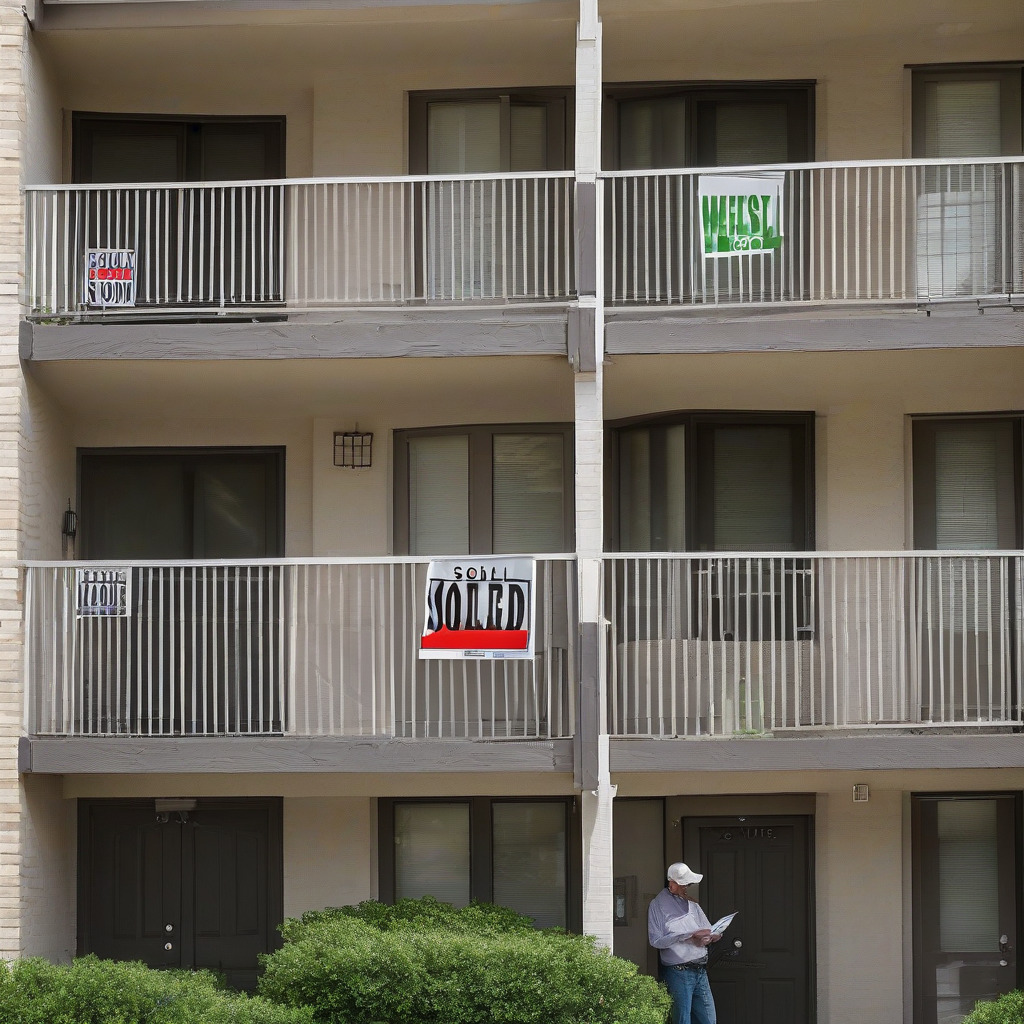
If you rent in EaDo, Third Ward, Midtown, or Near Northside right now, chances are good you’ve heard about a building sale. Maybe a neighbor mentioned it. Maybe a notice appeared on the mailbox or a vague email arrived from the property manager. Or you learned the hard way when the lock company showed up on a Tuesday.
Whatever the delivery method, the question is always the same: Do I have to move?
Short answer: almost certainly not immediately, and not without a legal process that takes weeks minimum. The longer answer depends on three things — whether you have a signed lease, how much time is left on it, and whether you know what Texas law actually requires of the new owner. Most tenant-rights content online defaults to California, New York, or federal housing law that doesn’t apply here. This piece is grounded in the Texas Property Code and Harris County court realities, written for renters navigating a Houston-specific situation during one of the more active multifamily investor periods the city has seen.
Here’s what the law actually says.
Your Lease Does Not Disappear When the Building Changes Hands
This is the foundational rule. Texas Property Code § 92.005: when a property sells, the new owner steps directly into the previous landlord’s legal position. Every term of your existing lease transfers automatically. The rent amount, the expiration date, any rent concessions, pet addendums, parking agreements, early termination clauses — all of it binds the new owner exactly as it bound the seller.
The legal phrase is that the lease “runs with the land.” The contract attaches to the property itself, not to a particular owner. Ownership changes; the lease obligation does not.
The most protective thing you can do right now is confirm you have a signed, dated copy of your lease stored somewhere you can access immediately. Not a screenshot. A PDF you can print or email, or a paper copy somewhere outside the building. If the new owner claims they have no record of your agreement, your signed copy resolves that dispute. This happens more than you’d think.
What this prevents: The new owner cannot raise your rent mid-lease. If your lease says $1,450 per month through March 31, 2027, the new owner collects $1,450 through March 31, 2027. They cannot demand you sign a new lease immediately or tell you to sign it or leave — that’s pressure, not a legal notice, and you’re not required to respond to it as such. No new pet fees, no new parking charges, no revised move-out checklist requirements that weren’t in your original lease.
What the New Owner Can and Cannot Do During Your Lease Term
During an active lease, the new owner’s authority has real limits.
They cannot terminate your tenancy without cause. Texas law doesn’t require just-cause eviction protections for all renters — that distinction matters enormously in the next section — but while a fixed-term lease is in force, a landlord cannot terminate simply because they want the unit back.
They cannot ignore repair requests. Texas Property Code §§ 92.056 and 92.061 make repair obligations transferable. If your previous landlord owed you a working HVAC unit, a repaired roof leak, or a functioning water heater, the new owner inherits that obligation. You don’t start over. If you submitted a repair request before the sale that was never fulfilled, document it: dates, written records, photos. Then submit a new written request to the new owner. Under § 92.056, a landlord must act within a reasonable time after receiving written notice. If they don’t, you may have remedies including rent withholding — but the procedures are strict, and doing them wrong can backfire badly. Call Lone Star Legal Aid before you do anything irreversible.
Retaliation is prohibited. Texas Property Code § 92.331 prohibits retaliatory conduct: if you filed a repair complaint, reported a code violation to the City of Houston’s Housing & Community Development department, or raised a habitability concern, a new owner cannot use any of those actions as grounds for eviction. If they try, and you can show the timing between your complaint and their eviction notice, that is a defense in JP court.
The new owner is legally entitled to take over rent collection immediately, conduct inspections with proper notice, and decline to renew your lease when it expires. At lease end, they set the terms going forward — higher rent, shorter term, or no renewal at all. None of that is unlawful. The lease protects you until it ends. What happens after is a separate question, and one worth thinking about now rather than in month eleven.
If You’re Month-to-Month, Your Situation Is Fundamentally Different
This is the part most national tenant-rights content skips, and it matters for a large share of Houston renters.
If you’ve been in your apartment for more than a year and let your original lease lapse into a month-to-month arrangement — common, and understandable — you are not protected by the framework above. You have no fixed lease term. Under Texas Property Code § 24.005, a landlord can terminate a month-to-month tenancy with 30 days’ written notice. No reason required.
Houston has no local ordinance requiring cause before ending a month-to-month tenancy. Texas Local Government Code § 214.902 prevents municipalities from enacting rent control except in declared disaster areas. Houston cannot pass a just-cause eviction ordinance. The Texas Property Code is essentially the floor and ceiling of your protections here, and it does not require cause for month-to-month termination. That’s a hard paragraph to read. It’s the reality.
If you’re currently month-to-month in a building that has sold or is under contract, ask the current owner or property manager about signing a new fixed-term lease before the sale closes. Not everyone will agree. But asking costs nothing, and a 12-month lease signed today gives you protections that month-to-month status simply doesn’t. If the new owner has already taken over, you can still attempt to negotiate. Investors planning to hold the property for income are sometimes willing. Investors planning to reposition or redevelop — which is common in Near Northside and parts of EaDo right now — generally aren’t.
The blunt version: if you’re month-to-month in an actively-selling Houston submarket, you’re more exposed than you may realize. Your 30-day clock can start at any time. Take that seriously today. For a broader look at what Houston renters can actually negotiate right now, our apartment concessions and lease terms coverage is worth reading before you sign anything new.
Your Security Deposit and What the Law Requires the New Owner to Do With It
Texas Property Code §§ 92.101 through 92.109 impose specific duties on both the selling landlord and the new owner when a property changes hands. The selling landlord must transfer your deposit — or a written accounting of what they’re holding and why — to the new owner at closing. Once that transfer happens, the new owner becomes fully responsible for the deposit’s return when you move out. The original landlord’s liability ends upon transfer and proper written notice to you.
The enforcement mechanism has real teeth. If neither the seller nor the buyer properly accounts for and returns your deposit after move-out, absent legitimate deductions for damages beyond normal wear, you can sue under § 92.109 for $100 plus three times the deposit amount, plus attorney’s fees. On a $1,500 deposit, that’s $4,600 before attorney’s fees. Harris County JP courts hear these cases routinely, and they’re not particularly complicated to bring yourself.
Ask in writing, before the sale closes, whether your deposit is being transferred. You have every right to request written confirmation of the amount and confirmation it will follow the property to the new owner. If the selling landlord has been holding your deposit for years and the accounting seems murky — or if you suspect it’s already been spent — surface that problem before closing, not after you’ve moved out and are chasing a check from someone who no longer owns the building.
Document your unit now, regardless of whether you’re planning to move. Dated photos and video of every room, every wall, every appliance, every fixture. Email them to yourself so the metadata is timestamped. Do this when a new owner takes over, even mid-lease, because the handoff creates a natural dispute point. When you eventually move out, the new owner may argue that a pre-existing condition is damage you caused. Dated documentation from the transition period defeats that argument.
Cash-for-Keys: What It Is, What It’s Worth in Houston, and Whether to Take It
Cash-for-keys is a voluntary buyout offer. A new owner, their property manager, or sometimes a third-party agent offers you money to vacate early, usually with the unit left in clean, move-in-ready condition. You are under zero legal obligation to accept.
Investors offer these deals because the alternative — an eviction through Harris County JP court — takes a minimum of six to eight weeks from notice to writ of possession and routinely costs several thousand dollars in attorney fees, filing costs, and constable fees, plus lost rent income during the process. A negotiated exit in two or three weeks is cheaper and faster than litigation. Most tenants don’t realize they have more leverage in this conversation than the investor’s opening offer suggests.
What are these offers actually running in Houston? In Inner Loop submarkets like Midtown, EaDo, and Montrose, buyout offers tend to land somewhere between $2,500 and $6,000, depending on unit size and how urgently the investor needs possession. Third Ward and Near Northside typically run lower — closer to $1,500 to $3,500 — with variation based on the investor’s timeline. Suburban markets around Katy, Pearland, and Sugar Land see smaller offers, where eviction costs are lower and timelines faster. These aren’t guarantees; they’re reference points based on deals that have actually happened.
Here’s the honest advice on whether to accept: it depends on your lease position. If you have eight months left on a fixed-term lease, you don’t need to negotiate from desperation — you have time and legal standing. If you’re month-to-month, your leverage is thinner, but it still exists. The investor needs your cooperation to avoid court.
Your negotiating baseline should be your actual moving costs plus first and last month’s rent at a comparable unit nearby. Get written quotes from movers before you negotiate. That’s not a ceiling — it’s a floor.
Three rules protect you in any cash-for-keys negotiation. Get the agreement in writing, signed by the new owner directly, not by a property manager unless that manager has documented authority to bind the owner. Verbal buyout promises evaporate; don’t find that out after you’ve vacated. Do not leave before you have certified funds in hand — check clears, wire confirms, or you stay. And if you have children currently enrolled in HISD, factor the real cost of mid-year school disruption into what you’ll accept. Moving school districts mid-semester isn’t just inconvenient. Price it accordingly, and say so explicitly during negotiations.
You can also negotiate a longer move-out window and help with moving logistics. These terms cost the investor relatively little and can be worth a great deal to you.
If the New Owner Tries to Force You Out Illegally
First, a critical distinction: a new owner cannot change your locks, remove your belongings, or cut your utilities to force you out. Under Texas law, self-help eviction is illegal regardless of who owns the building, and it exposes the owner to civil liability. If that happens, call Houston Police and document everything immediately.
A lawful eviction requires a court process. The first step is written notice to vacate. Under Texas Property Code § 24.005, the minimum notice period is three days unless your lease specifies longer — some leases require seven or 30 days. Check yours now, not when you’re staring at a notice taped to your door. This notice must be delivered in writing: hand-delivered to the unit, slipped under the door, or sent certified mail.
If you don’t leave by the end of the notice period, the owner must file a forcible entry and detainer petition at the Harris County Justice of the Peace court that covers your precinct. Harris County has 8 precincts and 16 JP courts; you can locate yours by address at the Harris County JP court website. Filing fees run roughly $46 to $121 depending on the precinct — confirm current figures directly with the court. The owner cannot physically remove you before a judge orders it.
Hearings are typically scheduled within two to three weeks of filing. Show up. Bring your signed lease. Bring any documentation of communications with the old or new landlord. If your defense is that you have a valid lease the new owner is bound to honor, the signed lease is the document that makes that case. If you lose at the JP level, you have five days to appeal to the Harris County County Court at Law. Filing an appeal and posting the required appeal bond stays the eviction while the appeal is pending. The bond amount is set by the JP court.
For tenants who can’t afford an attorney, the Harris County Eviction Right to Counsel program provides free legal representation to qualifying low-income renters. Lone Star Legal Aid, Houston Volunteer Lawyers, and BakerRipley’s legal services program are the key intake points. Contact them early — before you miss a court date, not after. For a detailed walkthrough of how the Harris County eviction process actually works, including timelines and what to expect at your JP court hearing, that’s covered separately in our legal and finance coverage.
What to Demand in Writing Before the Sale Closes
Most tenants don’t know to ask for any of this until after the old owner is gone and the paper trail has gone with them.
Texas Property Code § 92.005 makes your lease binding on the new owner automatically, without any paperwork from you. But paperwork removes the “we didn’t know about that agreement” defense that new owners and their attorneys sometimes attempt. The following doesn’t create rights you didn’t already have — it removes the ambiguity that would otherwise require a courtroom to resolve.
Request written notice of the pending sale from the current landlord. There’s no statutory requirement to notify tenants before a residential sale closes in Texas, but you’re entitled to ask. A professional landlord will provide it. Get it the moment you hear anything about a transaction.
Get written confirmation that your security deposit is transferring, with the dollar amount specified. This should come from the selling landlord before or at closing.
Obtain the new owner’s legal name and a valid service address. Property manager names and phone numbers aren’t sufficient. Get the actual legal name of the owning entity and a physical address where legal documents can be served. Any legitimate owner will provide this without hesitation.
Get written acknowledgment from the new owner that they accept your existing lease terms — the expiration date, the rent amount, any concessions or special provisions. If your lease includes a month of free rent that hasn’t occurred yet, or a clause about garage parking at no extra charge, written confirmation now means you’re not arguing about it later in JP court.
Document any outstanding repair requests in writing to both the outgoing and incoming owner. Open maintenance issues transfer with the property; the paper trail makes them enforceable.
In larger transactions — mid-rise or high-rise buildings in Midtown or EaDo especially — the sale may involve a formal assignment of all leases. Ask the new owner or their management company to confirm in writing that your lease was accepted as part of the acquisition.
None of this paperwork creates rights the law didn’t already give you. It gives you evidence, and evidence is what matters.
The Houston Reality Check: No Rent Control, No Local Tenant Ordinances
If you moved to Houston from Chicago, Austin, New York, or the Bay Area, you may be carrying an assumption that the city has layered local tenant protections on top of state law. Rent stabilization. Relocation assistance requirements. Right of first refusal when a building sells. Just-cause eviction standards.
Houston has none of these, and it’s worth being direct about that rather than burying it in a footnote.
Texas Local Government Code § 214.902 prevents municipalities from enacting or enforcing rent control except in a state-declared disaster area. The Texas Legislature has been consistent in restricting local housing regulation, and there’s no sign that’s changing. Houston cannot pass a just-cause eviction ordinance. It cannot require a landlord to offer an existing tenant right of first refusal when a building sells. It cannot mandate relocation assistance. The Texas Property Code — specifically Chapter 92 for residential tenancies — is the governing framework. That’s it.
This matters because national tenant-rights publications and social media threads regularly cite protections that exist in other states as if they apply everywhere. They don’t apply in Texas. If you make decisions based on California or Illinois law, you’ll be wrong in ways that cost you money or your housing. This mistake comes up constantly in Houston renter Facebook groups and neighborhood apps, and it’s an expensive assumption to carry into a building sale.
The more useful framing: the protections Texas law does provide are real. Your lease survives a sale. Repair obligations transfer. Security deposit law has teeth. Retaliation is prohibited. The eviction process takes weeks and gives you time and a court appearance. These are genuine, enforceable rights — and most tenants in the middle of a building sale don’t know they have them. For renters weighing longer-term stability, our moving and real estate coverage tracks the Houston market conditions that affect those decisions.
Local Legal Resources for Houston Renters
Lone Star Legal Aid lonestarlegal.org Serves low-income Houstonians in civil matters including eviction, habitability, and security deposit disputes. Harris County residents can apply online or by phone. Verify current contact information and intake hours directly.
Houston Volunteer Lawyers houstonvolunteerlawyers.org Pro bono legal services for qualifying Houston residents. Eviction defense is a priority intake area.
BakerRipley Legal Services bakerripley.org Community-based legal assistance with multiple Houston locations, including services in Third Ward and Near Northside.
Harris County Eviction Right to Counsel Program Contact through Lone Star Legal Aid or Houston Volunteer Lawyers for current intake information. Free legal representation for qualifying low-income tenants facing eviction in Harris County. Program launched 2022; verify current capacity and eligibility rules before relying on availability.
City of Houston Housing & Community Development Files habitability and code enforcement complaints. A documented complaint creates a paper trail directly relevant to § 92.331 retaliation protections. Verify current contact information through the City of Houston’s official website.
Harris County Justice of the Peace Courts Locate your JP precinct and court by address through the Harris County JP court system. Eviction hearings and small claims cases, including security deposit disputes, are heard here.
Verify all filing fees, program availability, and intake procedures directly with these organizations before acting. Court fees and program funding change; the information in this article reflects research available at time of publication.