How Houston's Suburban Restaurant Corridors Shift When School Is Out
In Katy, Sugar Land, and The Woodlands, the end of the school year triggers a measurable shift in covers, staffing, and menus. No one outside the industry is paying attention to how operators actua…

In Katy, Sugar Land, and The Woodlands, the end of the school year triggers a measurable shift in covers, staffing, and menus. No one outside the industry is paying attention to how operators actually manage it.
The Tuesday Lunch That Doesn’t Exist in April
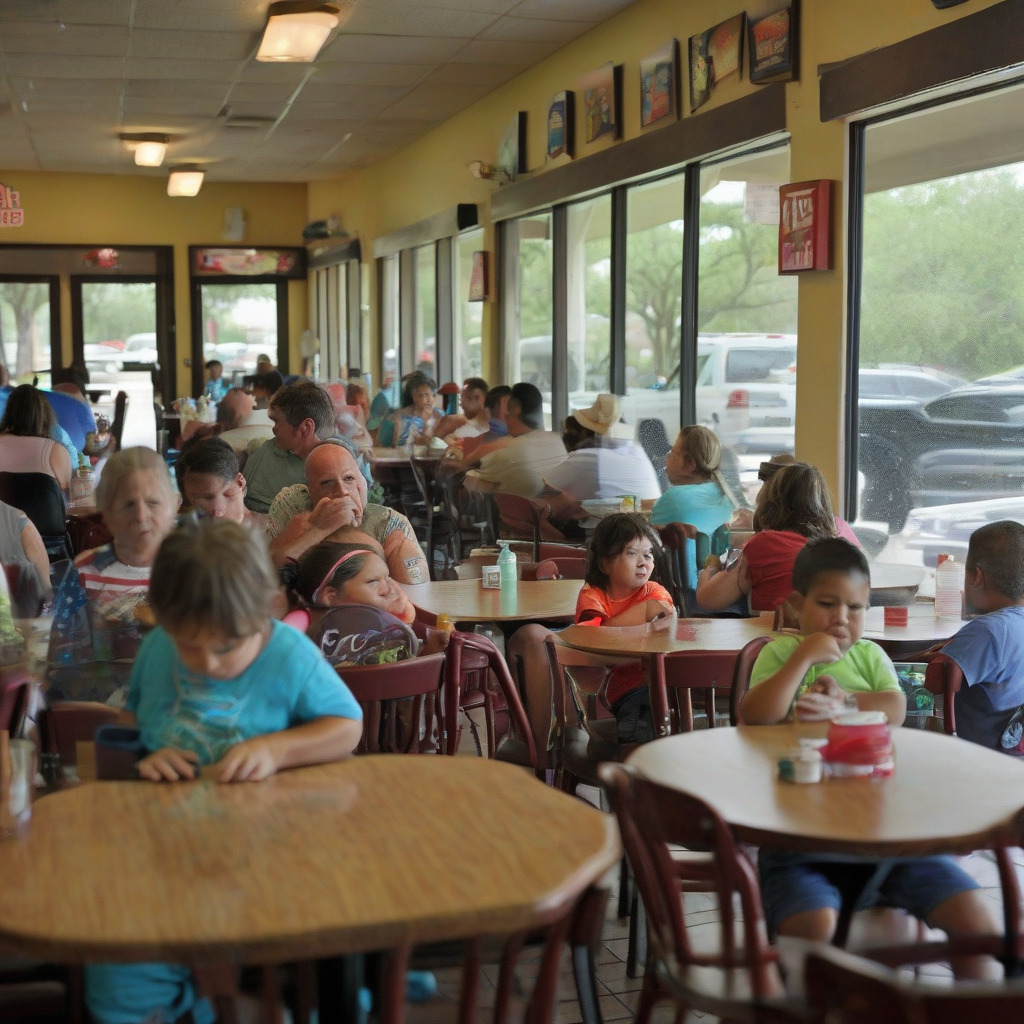
On a Tuesday in the third week of June, the dining room at a Tex-Mex independent on Katy’s I-10 corridor fills by 12:15. Not the way a Friday night fills — this is different. Parties of four and five arrive, kids in tow, some still in swimsuits from a morning at the neighborhood pool, others with grandparents in from out of town. There’s a wait by 12:30.
The same room on a Tuesday in mid-April was half-empty at that hour.
This isn’t an accident, and it isn’t marketing. It’s the school calendar expressing itself in restaurant economics, as reliably as any business cycle Houston operators track. The families didn’t discover the restaurant in June. They were always there. In April, they were at school, at work, eating at their desks. In June, they have ten weeks, a bored 11-year-old, and a 103-degree heat index that rules out most alternatives.
Here’s how operators in three of Houston’s largest suburban corridors actually manage it, what they change and what they don’t, and why the margins are more complicated than the crowded dining room suggests.
Three School Districts, 245,000 Students, One Late-May Calendar Date
The mechanism is arithmetic. Katy ISD, Fort Bend ISD, and Conroe ISD collectively enroll roughly 245,000 students, placing them among the ten largest school district systems in Texas. All three release students within a roughly two-week window in late May. All three return students in mid-August. The interval between those dates is the operational frame around which every summer business decision in these corridors gets built.
What that calendar does to weekday traffic is direct. During the school year, the 11am-to-2pm Tuesday demographic in Katy, Sugar Land, and The Woodlands is largely retirees, remote workers, and the occasional contractor taking a lunch break. The noon daypart is structurally capped.
Memorial Day Weekend is essentially an on/off switch. By the Tuesday after Memorial Day, operators across these corridors report noticeably different traffic patterns. Within two weeks, the midday surge is in full effect. The compressed 10-to-12-week window creates urgency on every operational decision. There’s no gradual ramp. The surge arrives, runs hard, and ends on an equally specific date in August.
Why 105°F Heat Is a Feature for Indoor Operators
In most major U.S. markets, summer is patio season. Operators expand outdoor seating, hire for patio sections, and count on warm evenings to drive incremental covers. Houston operators mostly ignore that playbook.
Heat indexes run above 105°F regularly in June, July, and August. Afternoon storms arrive with near-clockwork regularity between 3 and 6pm. Sitting outside at noon in Sugar Land in July with children isn’t recreational dining — it’s an endurance event. Families want air conditioning, and the more aggressive the A/C, the better.
This is a real competitive differentiator, and operators don’t always appreciate it until they’re turning tables while the patio-heavy concept next door is watching the thermometer. Restaurants with large, well-cooled interior dining rooms capture summer family traffic in ways that outdoor-forward concepts simply can’t. At La Centerra at Cinco Ranch, an outdoor lifestyle center in Katy, operators have covered walkways but no escaping the ambient heat. You’re competing with the thermometer, and the thermometer wins most afternoons.
The compressed prime-service window matters here, too. Families with young children eat lunch between 11am and 1:30pm and dinner between 5 and 7pm, mostly because those windows bracket the hottest part of the afternoon and the storm window. Operators who turn tables efficiently within those corridors capture the surge. Those whose dining room flow is slower — from patio inefficiency, slow kitchen throughput, or inadequate staffing — leave covers on the table. No exceptions.
Who Wins and Who Struggles
Full-service Tex-Mex independents and family-casual concepts are the clear winners. They’ve got large tables, kids’ menus already in place, price points families can sustain for ten weeks of regular outings, and lunch formats that work for the midday family daypart. The I-10/Grand Parkway cluster in Katy — Tex-Mex and family-casual concepts running along the feeder roads between Fry Road and Grand Parkway (TX-99) — is among the most concentrated restaurant corridors in suburban Houston, and these operators see meaningful lifts in summer weekday traffic.
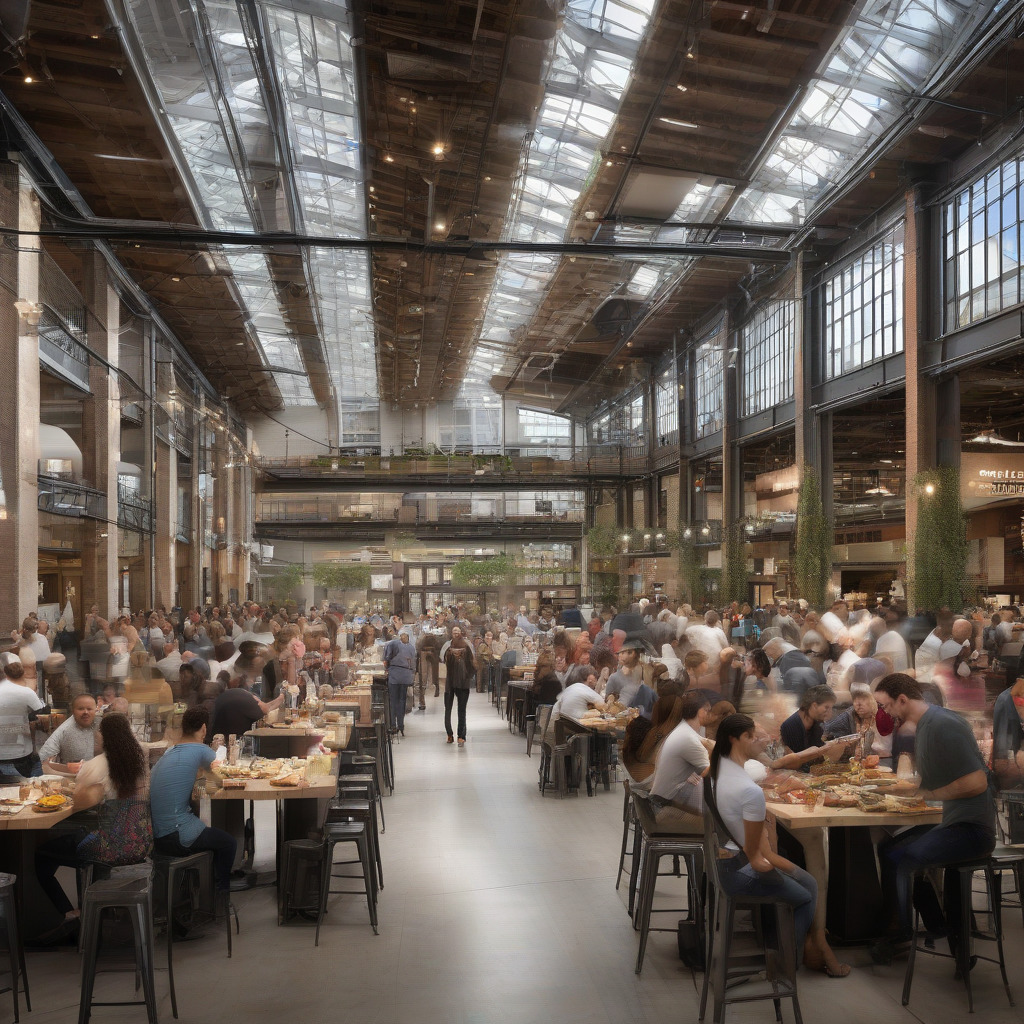
In Sugar Land, the Town Square environment captures multi-generational family traffic particularly well. Operators there report that the mix shifts noticeably in summer: more tables with grandparents, more tables with children under 10, more extended meals where families are lingering rather than eating on a schedule. The check average climbs. So does the table duration. That’s a good problem to have, though it creates its own floor-management headaches. For a broader look at how Houston’s enclosed and semi-enclosed dining environments compete for this kind of family occasion, the Houston Food Hall Report Card for 2026 tracks which formats are actually holding traffic.
The Woodlands operators at Market Street and Hughes Landing sit at the higher end of the casual spectrum, skewing toward older children and higher household income. They see the same calendar-driven surge — just with a different customer profile and a higher drink attachment rate.
Who struggles? Upscale concepts that don’t skew family-friendly absorb disruption rather than benefit from it. The kitchen handles a dining room with different expectations and thinner patience than their weeknight clientele, without the revenue upside to compensate. Lunch-only operators can’t capture the dinner surge that offsets the operational investment summer requires. Patio-dependent concepts are sitting on square footage that turns economically inefficient for most of June, July, and August — that’s not a small thing when you’ve built your model around outdoor dining.
The National Restaurant Association benchmarks suburban family-dining segments at an 8 to 15 percent revenue lift in summer, a pattern we track consistently in our food & hospitality coverage. Operators in these corridors who will discuss actual numbers suggest strong performers can exceed that in the Tuesday-through-Thursday lunch daypart specifically — the daypart that barely existed in April. One operator at a Tex-Mex independent on Katy’s main corridor mentioned a 22 percent lift in Tuesday lunch revenue between April and July, then immediately noted that didn’t account for the labor and ingredient costs that scale with volume. The crowded dining room looks great. The P&L tells a more complicated story, and operators who’ve been through a few summers stop confusing one for the other.
What Actually Changes on the Menu
Operators don’t run the same menu in July that they ran in March. The adjustments are surgical, not sweeping.
Family-casual concepts in The Woodlands orient summer menu shifts around shareable formats that work for multi-generational tables. When a party of six includes two grandparents, two parents, and two children under 12, the table dynamic changes. Appetizer ordering goes up. The meal pace stretches. Dishes that can be passed around, or that tolerate a slower pace, outperform individually plated preparations timed for quick turns. If you’ve ever watched a server try to pace a three-course meal for a table that includes a six-year-old who’s been at the pool since 9am, you understand why.
Kids’ menu expansion is real but requires precision. Operators who already run a kids’ menu don’t necessarily add items — they adjust for the reality that the kids’ menu is now ordered at much higher frequency and needs to move quickly from the kitchen. A dish that’s a minor line item during the school year becomes operationally significant in June. That changes prep volume and how the kitchen sequences tickets.
Lunch specials engineered for the family daypart are a consistent adjustment across the Tex-Mex and family-casual segment. They tend to be combination formats at price points that work for a family of four spending in the $45 to $55 range before drinks and tip. The revenue logic is simple: the table is real estate. Getting a family in, served, satisfied, and out efficiently generates more revenue than a slower-paced table, even at a slightly higher per-head check. One operator on the Katy corridor noted that summer lunch-combo sales hit roughly 18 percent of total July revenue, versus 4 percent in April. That’s not a rounding error.
Lighter items appear more frequently on summer lunch menus — lighter meaning faster to prepare and cleaner to plate, which supports table-turn velocity. None of this is about becoming a different restaurant in July. It’s about being the same restaurant running faster, at higher volume, with a wider customer mix.
The Staffing Equation
The suburban Houston restaurant labor market has a seasonal structure that mirrors the school calendar almost exactly. Operators who understand this move earlier than those who wait for the Memorial Day trigger to start hiring — sometimes by three weeks.
University of Houston, Texas A&M, UT Austin, and Sam Houston State release students in early-to-mid May. A meaningful number of those students are from Katy, Sugar Land, Pearland, and The Woodlands. They’re returning to their parents’ homes and they’re available for work. This creates a window between roughly May 10 and Memorial Day when operators can interview, hire, and onboard summer staff before the surge actually hits. Miss that window and you’re scrambling through your busiest weeks with a half-trained floor.
The competition for this labor pool isn’t primarily about base wage. Texas sits at the federal minimum of $7.25, and tipped employees work at a tipped minimum of $2.13 under state law. The real pitch to returning college students is scheduling flexibility — the ability to work four days and take long weekends — combined with the tip-income reality of working a restaurant that’s legitimately slammed for ten weeks. One server at a Sugar Land restaurant reported making roughly 40 percent more per shift in June and July than she does during the school year, with the base hourly wage unchanged. That’s a number operators can actually sell in a hiring conversation.
High school hires add complication. Texas child labor law restricts 16- and 17-year-olds to no more than 8 hours per day and 48 hours per week during summer, creating scheduling constraints that experienced operators plan around rather than fight. The more practical administrative headache is the Texas Food Handler Card requirement: all food-service employees need one within 60 days of hire under Texas DSHS rules, and most operators require it at hire or within the first two weeks. Managing completion tracking across a staff that turns over every 90 days is real friction. It falls on managers who are already running harder than they were in April, and it’s exactly the kind of thing that slides if nobody owns it explicitly.
The Geography Inside the Suburbs
“Katy” and “Sugar Land” aren’t monolithic markets. Where a restaurant sits within these corridors shapes how much of the summer surge it actually captures.
In Katy, the I-10/Grand Parkway cluster is the primary beneficiary — Tex-Mex independents, fast-casual concepts, and sit-down family restaurants running along the I-10 feeder roads between Fry Road and Grand Parkway (TX-99), serving the densest concentration of suburban family households in the corridor. The Katy Mills Mall zone draws from a wider geographic radius and skews toward quick-service and fast-casual formats. La Centerra at Cinco Ranch is the most operationally complicated. It’s an attractive lifestyle development with solid demographics, but the outdoor-corridor format means operators face heat-related foot-traffic problems that their fully enclosed competitors don’t. That’s a structural disadvantage, not just an inconvenience, and it doesn’t go away because the development looks nice.
In Sugar Land, the split runs between Town Square’s pedestrian-friendly environment and the Highway 6/First Colony area. Town Square is where summer family traffic concentrates; operators benefit from cross-visitation between the dining cluster and adjacent retail. The Highway 6/First Colony area is more traditional strip-center, where destination dining matters and ambient foot traffic matters less. The Riverstone corridor hasn’t yet developed the restaurant density or pedestrian infrastructure to capture the family dining occasion the way Town Square does — though it’s filling in fast enough to watch.
In The Woodlands, Market Street and Hughes Landing are the comparable nodes: walkable-ish, reasonably shaded given the mature tree canopy, anchored by operators who’ve built their concepts around a demographic that expects real service quality. Research Forest Drive and the broader Town Center strip-center environment are where residents actually go for Tuesday lunch when they’re not making an occasion of it.
What Independent Operators Know
Corporate PR won’t give you the cover-count delta between April and July. Independent operators will, and they’re where the most useful information actually lives.
Ronnie Killen at Killen’s Barbecue in Pearland draws from the Sugar Land corridor. He’s spoken publicly about the seasonal structure of his business and the degree to which the school calendar creates predictable volume swings. The summer spike at a barbecue concept of Killen’s caliber is shaped differently than at a Tex-Mex independent, because the business already runs near capacity on weekends year-round. Summer impact shows up mostly in weekday traffic. The Wednesday lunch that in April is a routine service becomes, in June, a service that requires materially greater operational readiness — more product pulled, more staff on, more decisions made before the doors open. There is a genuine difference between being busy and being prepared for being busy, and operators who’ve conflated the two have paid for it.
Independent operators across these corridors are consistent on one point: higher volume doesn’t automatically produce better margins. Suburban real estate costs in Katy and Sugar Land are lower than what Montrose or Heights operators face, which gives independents more financial flexibility. But the summer labor premium, combined with the cost of carrying additional inventory for a compressed window, means the margin math is tighter than the dining room headcount suggests. Operators who’ve worked through multiple summer cycles understand this clearly. First- or second-year operators sometimes learn it in August, when the numbers come in and the crowded room in June didn’t translate into the profitability they’d imagined. That’s a hard lesson and a preventable one.
The chains manage summer seasonality at a corporate level — systemwide limited-time offers calibrated to family dining occasions, staffing playbooks, centralized inventory commitments. But the granular, location-specific adjustment that a good independent operator makes doesn’t happen in a franchised concept. The independent owner is working her own P&L and living with the consequences either way. That accountability tends to produce sharper decisions.
The August Cliff
The back-to-school return in mid-August arrives faster than operators expect, cycle after cycle. You’d think they’d stop being surprised. KISD, Fort Bend ISD, and Conroe ISD return students within a roughly two-week window, typically the second or third week of August. The dining room that was turning tables at 12:15 on a Tuesday in June is back to April norms within days of the first school bell.
Operators who’ve run this cycle for several years begin winding down before the actual school return. Summer staff who are college students are leaving anyway — heading back to Austin or College Station — so the back-of-house and front-of-house rosters naturally thin in early August. The management challenge is sequencing those departures without leaving a service gap in the final two or three weeks of summer, when volume is still elevated. Release staff too early and you’re short-handed during weeks that are still legitimately busy. It’s a trickier needle to thread than it sounds.
Menu transitions happen gradually. The kids’ menu returns to its school-year version, lunch specials are recalibrated for a smaller midday crowd, and the shareable formats that worked for multi-generational summer tables get rotated off or repositioned. Most operators don’t announce any of this. They just execute it.
What the first Tuesday after school starts looks like, in the same restaurant that had a 12:15 wait in June, is almost jarring. Tables available at 12:30. Server sections smaller. The kitchen running at a pace that feels almost relaxed. The room isn’t empty — it’s just back to April. Which is the baseline the entire summer’s operational investment was designed to depart from, temporarily, and profitably when managed well.
A school calendar doing that to cover counts, labor rosters, menu cards, and weekly P&Ls — that’s the actual business story in these corridors. The operators who handle it well have stopped treating it as a seasonal windfall and started running it as a second annual operating mode, one that requires as much preparation as the restaurant they run the other nine months of the year. The ones who haven’t yet figured that out are probably going to have a rough August.
CityDesk Houston covers the business of the city’s commercial corridors. Tips and operator interviews: editors@citydeskhouston.com.