What Houston Residents Should Know About the Texas Deceptive Trade Practices Act
The law gives cheated consumers treble damages and mandatory attorney's fees. But only if you follow the specific steps.


The law gives cheated consumers treble damages and mandatory attorney’s fees. But only if you follow the specific steps.
A Houston business scammed you. Maybe a contractor took your deposit and ghosted you. Maybe a used-car dealer on the Katy Freeway sold you a vehicle without mentioning the salvage title. Maybe a home inspector in Kingwood gave your flood-damaged house a clean bill of health right before you closed. Can you use the Texas Deceptive Trade Practices Act to get your money back?
Yes. And potentially two to three times your money back. But the law has procedural teeth that will bite you if you skip them.
When the Contractor Disappears With Your Money
Start with a situation that plays out repeatedly in Houston’s flood-prone neighborhoods. A Meyerland homeowner hires a contractor after a high-water event, pays 50 percent upfront — $18,000 on a $36,000 job — and watches the crew do three days of visible demo work before calls stop getting returned. When the homeowner finally gets the contractor on the phone, she’s told the remaining crew walked off and the money is tied up in materials. The work that was done is substandard. The $18,000 is gone.
Her first instinct was to call the police (civil dispute, not their lane), then small claims court (her damages exceed the limit). What she didn’t know was that the Texas Deceptive Trade Practices Consumer Protection Act, Tex. Bus. & Com. Code §§ 17.41–17.63, gave her a path to not just her $18,000 back, but up to $54,000 if the contractor acted knowingly — plus attorney’s fees. That fee provision is why a Houston consumer attorney might take her case without charging her up front.
This law wasn’t designed for big corporate litigation. It was built for disputes exactly like this one, and it gets used in Harris County courts constantly. Pull up the Harris County District Clerk’s case search at hcdistrictclerk.com and you’ll find hundreds of active and closed DTPA filings — vehicle fraud, home repair disputes, bogus warranty claims. The statute is a working mechanism, and in our legal & finance coverage you’ll find more on the procedural tools Houston residents can use when businesses cross the line. Houston residents who understand how it works have real options.
What the DTPA Actually Covers
Section 17.46(b) of the Texas Business and Commerce Code lists more than two dozen specific deceptive acts or practices. For most Houston consumers, the relevant ones cluster into a few recurring patterns.
Misrepresentation of goods or services. A contractor who tells you the crew is licensed and insured when they aren’t. A dealer who describes a used truck as “never been in an accident” when it has. A roofing company that claims it’s using 30-year architectural shingles but installs 3-tab. One thing people routinely miss: the misrepresentation doesn’t have to be in writing. Oral representations count just as much.
Undisclosed defects and history. This matters acutely in Houston — probably more here than anywhere else in Texas. Harvey. The Tax Day flood. The Memorial Day flood. Flood-damaged property and vehicles spread into the market in volume after each one, and the DTPA reaches all of it. A dealer on the Gulf Freeway who sells you a car without disclosing known flood damage violates the statute. So does a seller in the Energy Corridor who uses a cooperative inspector to conceal prior flooding. So does a seller’s agent who knew and stayed silent. If you’ve spent any time on Houston-area real estate forums, you already know how often this comes up — and how hard it can be to prove after the fact, which is why acting quickly matters.
Bait-and-switch. Advertising a service at a stated price and then substituting inferior goods, or refusing to honor an advertised offer without genuine supply constraints. The statute covers this directly.
Unfair conduct. Beyond the enumerated list, § 17.50(a)(3) catches taking advantage of a consumer’s lack of knowledge or inability to protect their own interests to a grossly unfair degree. It’s a broader net than most people expect — a separate cause of action for situations that don’t fit neatly into the specific practices list.
Warranty breaches. If a seller or manufacturer breaches a written or implied warranty, that breach is independently actionable under the DTPA through § 17.50(a)(2). You layer the statute’s enhanced remedies on top of an ordinary warranty claim. A home warranty company that refuses to cover a known defect, or a vehicle seller who specifically warranted a transmission that fails two months later, triggers DTPA liability even without explicit deception.
Who Qualifies and Who Doesn’t
The DTPA protects “consumers” — individuals or businesses who seek or acquire goods or services by purchase or lease. That definition is broad, but exemptions catch people off guard.
If your transaction exceeded $500,000 in value and you had legal counsel representing you during the transaction, the DTPA doesn’t apply. This matters for commercial real estate and large equipment purchases. It rarely affects individual consumers buying homes, vehicles, or services in Houston.
Businesses with more than $25 million in assets are excluded as consumers entirely — a provision designed to stop large commercial entities from weaponizing consumer protection law, and essentially irrelevant for the homeowners and car buyers who make up most DTPA claimants.
The professional services exemption applies to claims arising from a professional’s exercise of independent judgment — certain medical malpractice claims, some legal malpractice situations. It’s narrower than it sounds and has been heavily litigated. It doesn’t cover all claims against professionals, only those where the complaint is purely about professional judgment rather than misrepresentation or warranty breach. Don’t let anyone wave this exemption at you as a conversation-stopper without digging into whether it actually applies to your specific facts.
Securities transactions governed by the Texas Securities Act are excluded.
If you’re a Houstonian who bought a contractor’s services, purchased a vehicle, hired a home inspector, paid for a warranty, or engaged a business for goods or services at a consumer level, you almost certainly qualify. The exemptions are real but they operate at the margins.
The Demand Letter: The Step Most Cheated Consumers Skip
Read this section twice.
Before you can file a DTPA lawsuit, § 17.505 requires you to send a written demand letter to the defendant at least 60 days before filing suit. This is not optional. Courts have dismissed DTPA suits for failure to comply, and defendants raise it as a defense whenever the letter is missing or deficient. Getting this wrong can kill a good claim at the threshold.
The statute requires the notice to state “the specific complaint” and “the amount of actual damages and expenses, including attorney’s fees, reasonably incurred by the consumer in asserting the claim against the defendant.” That language sounds simple. Compliance is more technical than it looks.
A compliant § 17.505 letter needs your full legal name and address. For the defendant, use the registered legal name of any business — look it up at the Texas Secretary of State’s business entity search. Serving the wrong entity is a common and entirely avoidable mistake that wastes weeks of your 60-day window and potentially more if you have to restart the clock.
The factual description of what went wrong needs to be specific. Not “your company ripped me off.” Specific dates. Specific representations made. Specific goods or services involved. How the conduct was false or misleading. Attach the contract, the invoice, photos, text messages. Vague letters get ignored. Detailed ones get routed to an attorney, which usually means the business is starting to take the situation seriously.
The dollar breakdown is where many self-drafted letters fall apart. State separately: economic damages (out-of-pocket losses, money paid, cost of repair, diminished value), mental anguish damages if you’re claiming them, and attorney’s fees incurred to date if any. Round numbers are fine. Wild guesses aren’t — this figure anchors any subsequent settlement discussion and becomes critical if the defendant makes a tender offer during the 60-day window.
State clearly what relief you want: a refund, completion of work, or monetary damages. Include a statement that you intend to pursue a DTPA claim if the matter isn’t resolved. Not threatening language — just clarity that this is a formal pre-suit notice under § 17.505, not a Yelp complaint with a mailing address.
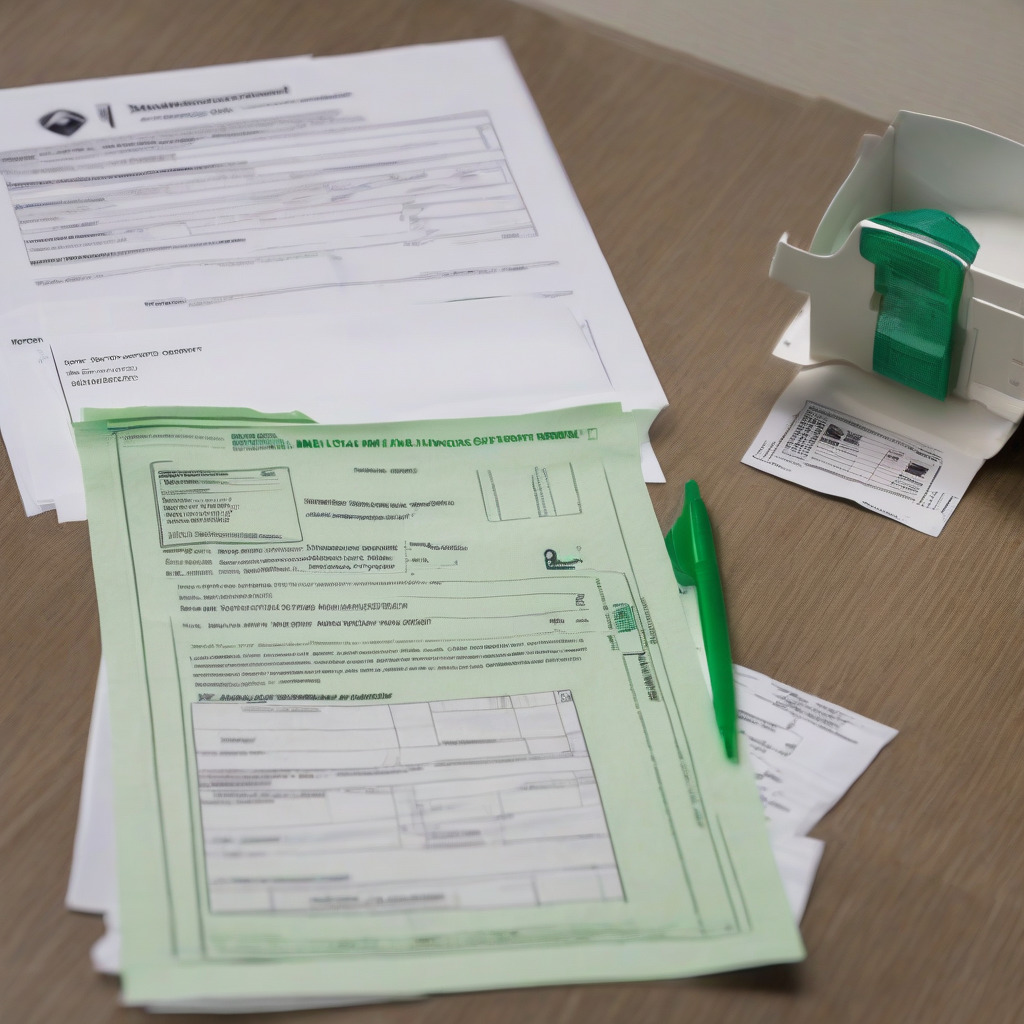
Send by certified mail, return receipt requested, to the defendant’s registered agent address and to any business address you have. Keep the green card. Keep a dated copy of the letter. Email as a backup does no harm, but don’t treat it as a substitute.
The 60-Day Window: Not Dead Time
Once the letter reaches the defendant, the 60-day period begins. How you handle it has strategic consequences.
During the cure period, the defendant can make a written settlement tender. If the court later determines that offer was “reasonable,” and you rejected it, and you then win less at trial than the offer, you lose your right to recover attorney’s fees incurred after the rejection. You keep your damages. The fees disappear. That’s one of the most powerful mechanisms the DTPA gives you — and in many cases, the thing that made your attorney willing to take the case on contingency — gone.
This is not hypothetical. If a contractor who owes you $18,000 offers $15,000 during the 60-day window, rejecting that offer and going to trial for $18,000 is a real gamble if the jury comes in at $14,000. Think hard before turning down a number that’s close to your documented damages.
The 60-day window is also the period when a well-drafted demand letter does its most useful work. A specific, documented letter sent to a legitimate business with real DTPA exposure often produces a resolution — sometimes because the letter is the first time the business actually understood the legal consequence of what it did. That’s not an accident. It’s the design working as intended.
If you have an attorney by this point, the question of whether to accept or reject a tender offer should be an explicit conversation. If you’re self-represented, this is the strongest argument for at least a single paid consultation before you turn down an offer. Whether an incoming tender qualifies as “reasonable” under the statute is not always obvious, and getting that wrong is expensive.
What You Can Actually Recover
No enhanced mental state proven, conduct falls within the enumerated practices: you recover actual economic damages only. Out-of-pocket losses, money paid, cost of repair, diminished value.
Prove the defendant acted knowingly — meaning they had actual awareness that the conduct was a DTPA violation when it occurred — and the court can award up to three times your economic damages. A dealer who personally knew the vehicle had flood damage and told you it didn’t is acting knowingly. A contractor who knew his crew wasn’t licensed and told you they were is acting knowingly. This is the multiplier most DTPA plaintiffs are actually pursuing.
The intentional standard is higher: the defendant specifically intended to deceive you to cause harm. That unlocks mental anguish damages, trebled, on top of trebled economic damages. Courts take mental anguish seriously and it’s not mere frustration — but for most DTPA consumers, the economic damages multiplier is the prize. Don’t build your case primarily around mental anguish and lose sight of the treble economic damages.
Under § 17.565, you have two years from the date the deceptive act occurred, or from the date you discovered it — or should have discovered it — whichever is later. Two years sounds like a long time. It isn’t, once you factor in gathering documents, sending a demand letter, and running out the 60-day window before you can even file. I’ve seen people miss that window by weeks.
Attorney’s Fees and Why They Change the Math on Small Claims
The DTPA’s fee-shifting provision is what makes the statute work for ordinary Houstonians with modest claims. Under § 17.50(d), a consumer who prevails is entitled to recover attorney’s fees as a matter of right. The defendant doesn’t get that in reverse — a business can only recover fees from a losing consumer if the court finds the claim was groundless and brought in bad faith.
If you’re that Meyerland homeowner with $18,000 in damages and a solid claim, a Houston consumer attorney who takes your case on contingency stands to recover their fees separately from any damages award. They don’t have to take their cut from your recovery. This is why contingency representation on DTPA cases exists at dollar amounts that wouldn’t make sense under hourly billing. It’s genuinely clever statutory design — the lawyer’s interest and the consumer’s interest align in a way they usually don’t in civil litigation.
It also explains why the demand letter matters strategically. A defendant who receives a proper letter — documented damages, specific facts, counsel involved — knows that if the case goes to verdict and the consumer wins, the business pays both damages and attorney’s fees. That math produces settlements.
Do I Need a Lawyer?
For claims under $10,000 with a straightforward fact pattern — contractor took your money and didn’t do the work, dealer misrepresented a vehicle’s condition — filing in Harris County Justice of the Peace court yourself is a realistic option. There are 16 JP precincts in Harris County, JP courts handle claims up to $20,000, and the procedure is accessible to self-represented parties.
Above $10,000, or if you’re pursuing treble damages, get an attorney. The 3× multiplier, mental anguish trebling, and fee-shifting require correctly pleading the defendant’s mental state, conducting discovery, and navigating Harris County District Court procedures. Get that wrong and you leave two-thirds of your potential recovery on the table. That’s a worse outcome than paying for legal help.
Given the fee-shifting structure, Houston consumer attorneys evaluate DTPA claims at lower dollar amounts than you might expect. On a $12,000 dispute with clear liability and well-documented facts, contingency representation can be economically rational for both sides. For cases requiring a Houston business attorney for commercial contracts, the same fee-shifting logic applies — start with the Houston Bar Association Lawyer Referral Service at (713) 228-0735, where a 30-minute consultation for a small flat fee gets you a frank assessment of whether your case is worth pursuing and whether contingency representation is realistic.
Local Resources: Where to Go in Houston
Texas Attorney General Consumer Protection Division — Houston Regional Office 808 Travis Street, Houston, TX 77002 (Confirm current suite number and phone directly with the AG’s office before visiting.)
The AG’s Consumer Protection Division investigates patterns of deceptive practice — businesses that are systematically cheating multiple consumers, not individual disputes. Filing a complaint won’t get your money back directly. But it creates a formal record, can trigger an investigation if your complaint joins others against the same business, and may result in the AG seeking an injunction or filing a civil action. File online at texasattorneygeneral.gov. Even if nothing happens to your case specifically, the complaint may protect the next person from the same operator. It takes 20 minutes.
Houston Bar Association Lawyer Referral Service (713) 228-0735 | hba.org Low-cost initial consultations with attorneys handling consumer protection and DTPA claims. This is where most people in a DTPA situation should start.
Houston Volunteer Lawyers houstonvolunteerlawyers.org Income-qualified Houston residents can access free civil legal assistance. If you meet the income threshold, this is your first call — not a fallback. Contact through the HBA referral line or directly through their website for current intake information.
Harris County District Clerk — Public Case Search hcdistrictclerk.com Search party names to see how similar DTPA claims have proceeded in Harris County courts. You can find cases against the same contractor or dealer you’re dealing with, see how the claims were pleaded, and get a realistic picture of how courts have handled comparable disputes. It’s not legal research, but it’s useful — and sometimes a useful reality check about what you’re actually dealing with. Underused by people who would benefit from it.
Texas Secretary of State — Business Entity Search sos.state.tx.us Verify the registered legal name and registered agent address for any business before you send a demand letter. Serving a trade name instead of the legal entity wastes time you don’t want to waste. Ten minutes of research before the letter goes out.
Most people who get cheated by a Houston business write a bad review and eat the loss. That’s understandable — the legal system looks complicated and expensive from the outside. But the DTPA exists specifically to make that calculus different: treble damages for knowing violations, mandatory attorney’s fees for prevailing consumers, and a clear procedural path that starts not with a lawsuit but with a certified letter.
The demand letter is where most legitimate DTPA claims either gain traction or stall out. Send a good one — specific facts, documented damages, correct legal entity — and you’ve done the most important thing. For any claim above $10,000, that letter should probably be followed by a phone call to a Houston consumer attorney. The fee structure means you may not pay a dime out of pocket to find out whether you have a real case.
What you lost might be recoverable. The first step costs less than the filing fee you’d pay at the courthouse.