Where Locals Actually Eat in the Heights Versus What the Tourist Lists Say
The tourist guides will send you to 19th Street on a Saturday. Here's where the woman who's lived on Harvard for a decade goes on a Wednesday.

The tourist guides will send you to 19th Street on a Saturday. Here’s where the woman who’s lived on Harvard for a decade goes on a Wednesday.
The short answer: Heights residents who eat out regularly on weeknights tend to cycle through El Tejano on Studewood, Local Foods, and whatever’s open within walking distance that doesn’t require a reservation. The full picture is more useful than that summary, but that’s where to start if you need a place tonight.
Now the longer version, which is what actually tells you how the neighborhood works.
The Heights Has Two Dining Scenes Running Simultaneously
There’s the Heights that shows up on Eater roundups and TripAdvisor best-of lists. Coltivare gets a James Beard nomination. Better Luck Tomorrow anchors a wine bar with thoughtful curation. The patio at Postino fills by 6:30 on a Friday. That Heights exists. It also presupposes that you’re visiting from outside the neighborhood, that you have a car and a parking strategy, that you made a reservation three weeks ago, and that your Thursday night happens to feel like a Saturday.
Then there’s the Heights that people who live on Harvard Street or Rutland Street or Heights Boulevard actually move through. You’re more likely to eat at a local taco spot on a Tuesday than to fight for a table anywhere that’s been written up in the Chronicle in the last two years. These two versions of the Heights overlap geographically but almost never temporally, and no competing guide has bothered to explain why.
Part of the explanation is price. Since roughly 2021, mid-tier casual dinner spots in the Heights have moved 20 to 30 percent more expensive. Entrees at places that used to feel like $15-to-$18 spots now routinely run $22 to $28 before drinks and tax. That’s a Montrose-level price structure attached to a neighborhood that still thinks of itself as more residential than scene-driven. Heights residents who’ve been here a decade remember when the neighborhood’s casual tier was actually casual. That era is over, and several of the spots that built loyal followings in 2017 or 2018 are now charging like they’ve got a wait list. Whether the food kept pace with the prices is a conversation worth having — and we’ll have part of it below.
The guide below is organized around practical use, not rankings. It’s written from repeated visits and conversations with people who eat here regularly, not a single Saturday night Uber stop.
Know the Geography Before You Pick a Restaurant
The Heights isn’t a uniform dining corridor the way Washington Avenue is. It has distinct sub-zones that function differently, and treating the whole neighborhood as “the Heights” will steer you wrong.
The 19th Street corridor draws the most out-of-town traffic. Highest concentration of reviewed, nationally recognized spots. Weekend foot traffic. Most parking friction. If you’re visiting from out of town and want the Heights to look like its Instagram version, this is it. On a Tuesday at 6 p.m., it’s also genuinely pleasant. But expect a different experience than you’d get from the same neighborhood six blocks north.
White Oak Boulevard tilted bar-heavy after White Oak Music Hall opened in 2016. On show nights — which is a significant fraction of nights — the area traffic pattern changes and parking on White Oak proper becomes unrealistic after 7 p.m. Locals who live near this strip have adjusted. They either walk or they go elsewhere on those evenings. The density of cocktail bars and live music venues makes it a different kind of destination than the residential streets surrounding it.
The real neighborhood character lives on Studewood Street. It’s quieter, less trafficked, and the spots here tend to draw regulars rather than visitors. Street parking is genuinely easier on a weeknight. If you want to understand why Heights residents describe their neighborhood as “livable,” Studewood and its cross streets are the more honest answer than 19th Street. You’ll see the same faces at El Tejano on three different Tuesdays — and that tells you something.
Heights Boulevard esplanade has neighborhood character. The median. The old trees. The walkers. But thin dining density. It’s an address, not a dining zone. The tree canopy and sidewalk make it pleasant for walking, but the restaurants themselves concentrate elsewhere.
The Shady Acres overlap around 11th and Shepherd is where a meaningful number of residents do their actual weeknight dining without even thinking of themselves as “going to the Heights.” Locals treat it as contiguous, accessible, and usefully separate from the tourist infrastructure on 19th Street.
Houston’s lack of traditional zoning shapes the Heights visibly and practically. A James Beard-nominated restaurant sits directly beside a 1910s craftsman bungalow. The neighborhood’s dining character shifts block by block in ways that feel organic rather than planned — because it was. The Heights looks the way it does because there was no zoning board telling it to look any particular way. That adjacency is what makes it feel like a neighborhood rather than a dining district, and honestly, it’s one of the things that makes it worth living in.
The Tourist List Spots, Honestly Assessed
Coltivare on Heights Boulevard makes good pizza, runs a consistent pasta program, and operates one of the better outdoor dining spaces in the city when the weather cooperates. The $35 to $55 per person price point before drinks reflects the ambition of the room. In most cases the food justifies it. The James Beard nomination press changed the reservation dynamic in ways that matter for residents, though. Weekend reservations now book out weeks in advance. Weeknight slots move within a few days of opening. This is not the place you drop into on a Wednesday because you didn’t feel like cooking. On a Tuesday at 6:30 with a reservation made a week out, Coltivare is still one of the best dinners you can have in this neighborhood. On a Saturday without a plan, it’s simply not an option.
Better Luck Tomorrow on Yale Street is one of those spots where the Tuesday-versus-Saturday split is the entire story. It’s a cocktail bar and diner hybrid with good snack-and-small-plate food. On a Saturday evening, it’s loud, full, and requires either a reservation or the willingness to wait at the bar. On a Tuesday, you can usually walk in and have a conversation at normal volume. The food — bar bites, charcuterie-adjacent plates, cheese — runs $12 to $18 for small items. The wine and cocktail list shows more care than the casual room suggests. Go on Tuesday. This isn’t complicated advice, but it’s the advice that actually works.
Postino on 19th Street is an Arizona chain. A well-run one, with a good wine program and a bruschetta board that delivers reliably. It serves a specific customer — someone who wants a recognizable, comfortable experience with decent wine by the glass and no surprises — and serves that customer very well. Heights residents who’ve been in the neighborhood for a decade don’t choose it for a Tuesday night. That’s not a condemnation; it’s a distinction. If you want Postino, it won’t disappoint you. If you’re looking for something more connected to the actual neighborhood, keep reading.
Where Heights Residents Actually Eat on a Weeknight
This is the section the competing guides don’t have, because it requires eating here rather than visiting.
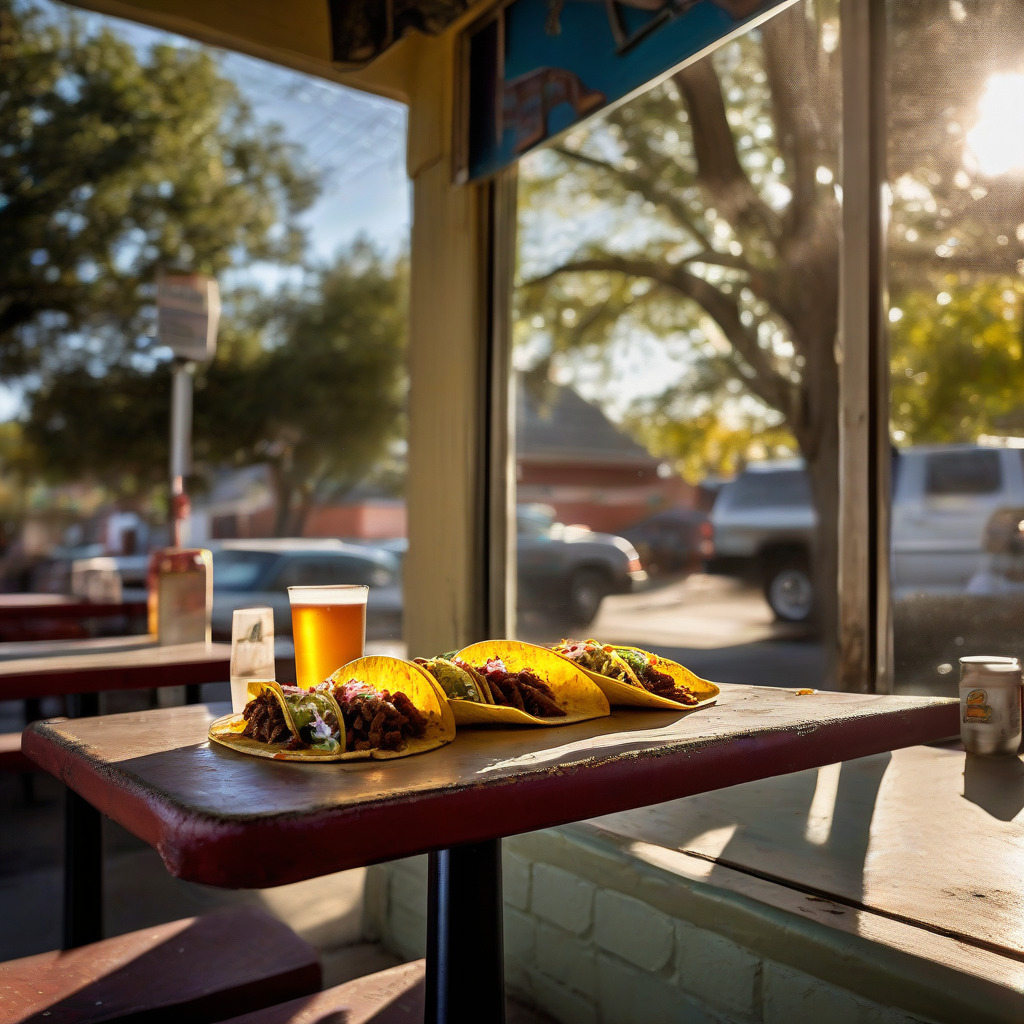
El Tejano on Studewood Street is a Tex-Mex spot that functions as a neighborhood anchor in a way few places in the Heights still do at its price range. Enchiladas run in the low-to-mid teens. The margaritas aren’t trying to be anything other than margaritas — which, at this point in Houston’s cocktail-program arms race, feels almost refreshing. The room is comfortable and unselfconscious, which is rarer than it should be at this price point. Street parking on Studewood at 6 p.m. on a weeknight is genuinely available — not a gamble. The bartender knows the regulars’ names. The kitchen doesn’t slow down between 6 and 8 p.m. the way some places do.
Local Foods runs a reliable casual lunch and dinner program. Heights residents with kids, with dietary restrictions, or with a standing Wednesday routine use it as a default. Salads and grain bowls run in the mid-teens. The quality is consistent and the format is fast-casual without the fast-food feeling. It’s not exciting, which is precisely the point. It’s the place you go when you want good food without making a whole project out of the decision.
Crispy Crust on 20th Street is the neighborhood pizza answer. Not a destination, not a concept. A pizza place that serves the neighborhood. It fills the exact niche a neighborhood pizza spot should occupy: the place you order from when you look in the fridge and realize there’s nothing there.
Weeknight parking on Studewood, 20th Street, and the residential cross streets — Ashland, Rutland, Harvard — is generally workable even in summer. The spots that struggle most for weeknight parking are the same ones that struggle on weekends: the 19th Street corridor and the White Oak strip. August matters more than most guides acknowledge. Spots with strong indoor A/C draw regulars differently than they do in October. El Tejano and Local Foods both have fully air-conditioned rooms that function in July. The patio-dependent spots do not, and many locals effectively write off their outdoor programs for five months of the year. If you’ve spent a July evening waiting on a Heights patio for a table, you know exactly what I mean.
The Spots That Haven’t Made the Lists Yet
Hunky Dory on 19th Street opened with buzz and absorbed a lot of early-coverage attention, then quieted down in the way that second-wave media works. That’s actually an argument for going now. The menu is British-inflected gastropub fare — fish and chips done carefully, some interesting small plates, a decent beer list. Entrees run in the high teens to mid-twenties. On a weeknight it’s not crowded. It hasn’t been written about freshly enough for the “I heard about it” crowd to have descended, which is a narrow window worth using. A Wednesday dinner here feels low-friction in a way it didn’t during the opening months.
The Bee in Shady Acres near 27th Street is a neighborhood bar where the food is genuinely secondary. Secondary in this context means the kitchen does a creditable burger, wings that hold up to bar expectations, and bar snacks that pair with a draft without embarrassing anyone. The regulars are actually regulars. The bartenders know what people drink. It functions in a way that the more designed bar concepts on White Oak do not — it doesn’t require you to perform enthusiasm, which, by the end of a long week, matters more than it probably should. If you want a beer and maybe some food and a seat within twenty minutes on a Friday at 7 p.m., The Bee is a more reliable answer than anything on White Oak that has a cocktail program. The jukebox plays actual variety, not the algorithmic rotation that chains settle for.
Watch the 20th Street stretch between Studewood and Nicholson for 2024 openings that haven’t surfaced in major coverage yet. Several small operators have moved into spots that opened quietly and are building regular clientele without press. These are worth a walk-in visit rather than a Google search; they’re not indexed the way the reviewed spots are.
What the Heights Actually Costs Now, and Where the Value Still Works
Bar food and gastropub options run from about $14 to $22 per person for beer and snacks. The Bee, Hunky Dory’s bar menu, and Better Luck Tomorrow’s small plates all land in this range, which feels proportionate to what you’re actually getting. A weeknight burger and two drafts at The Bee will run you around $20 before tax.
Mid-tier casual weeknight dinner — the El Tejano range up through Hunky Dory’s full menu — sits between $18 and $28 per entree before drinks. This is now the Montrose casual tier, not the Houston Heights casual tier of five years ago. The shift happened over a period where the neighborhood’s overall desirability increased and every restaurant that could absorb higher prices did. Some owners made the calculation consciously. Others simply followed what nearby competitors were charging. I’m genuinely not sure which is more frustrating, but the result is the same either way.
The Coltivare-level nice dinner runs $35 to $55 per person before drinks, and it’s worth the price when you’re there for the right reasons on the right night.
If you’re paying Heights prices, you’re paying Montrose prices. Full stop. Given that, El Tejano and Crispy Crust still deliver value that’s proportionate to what they’re charging. Coltivare delivers value proportionate to its tier. The spots trading on 2018 reputation at 2024 prices without the food having kept pace exist, and they’re not on this list because naming them specifically would require a dedicated story. You’ll find more on pricing and neighborhood-by-neighborhood restaurant trends in our food & hospitality coverage.
The Parking Problem Is Real and It Shapes Where Locals Go
No competing guide addresses this directly, which is strange because parking is one of the main reasons the neighborhood’s dining geography works the way it does.
Street parking on 19th Street on a Friday or Saturday evening is limited to a degree that requires a plan. Not impossible, but not the experience of pulling up and walking in. The White Oak Boulevard lot fills by 7 p.m. on busy weekends. The Heights has no major paid parking structure in its core the way Montrose or Midtown does. The Heights is a residential neighborhood that became a dining destination without the infrastructure that typically comes with that transition. Nobody planned for this, and it shows.
The practical result: locals who live within a mile of Coltivare will often drive there on a Saturday rather than walk, because the surface streets between the restaurant and the residential blocks aren’t always pedestrian-safe at night in the way a more urbanized neighborhood’s would be. Then they park and discover the same parking situation everyone else encounters. The people who walk in on a Saturday night are largely the people who live directly adjacent — one or two blocks. Everyone else either took an Uber, got lucky, or parked on a residential block four streets away and walked in with some annoyance.
Studewood, 20th Street, and the residential cross streets have genuinely easier weeknight parking. This is one of the practical reasons regulars default to those corridors — not just preference, but friction reduction. An uncomplicated Tuesday dinner at El Tejano involves parking your car, eating dinner, and driving home. The same Tuesday dinner at Coltivare involves a reservation made in advance and a parking calculation. Both are valid choices; they’re just different kinds of evenings.
When the Heights Restaurant Scene Is Actually at Its Best
October through April is the operative window for Heights dining as it’s meant to be experienced. The patio at Coltivare. The sidewalk tables at Better Luck Tomorrow. The outdoor bar areas along White Oak. These are genuinely good in November and genuinely miserable in July. Houston heat isn’t a caveat; it’s a determining factor for where you want to sit and how long you want to stay.
The October-November and March-April windows are peak season for the neighborhood’s restaurant scene and simultaneously peak crowding, because everyone in Houston wants to eat outside when the weather finally allows it. A Friday night in late October is the most competitive restaurant environment the Heights offers. A Friday night in August is practically the neighborhood’s off-season; the 19th Street corridor noticeably quiets. Some spots reduce hours in peak summer.
If you’re visiting the Heights for the first time and have timing flexibility, plan for a weeknight in November or March. You’ll get the outdoor experience, the manageable crowds, and the parking situation at its most navigable. If you’re a resident planning your summer rotation, the indoor A/C spots on Studewood and the takeout options from Crispy Crust become your actual dining program until September. During hurricane season — June through November, with peak risk in August and September — having the takeout phone numbers for two or three of these spots bookmarked is just practical. El Tejano and Local Foods both handle takeout orders without drama.
Why Some Blocks Feel Different: The Short Answer on Liquor Licenses
Heights newcomers eventually ask a version of this question: why is one block entirely restaurants and bars and the block behind it entirely houses, when there’s no obvious boundary between them? Sound familiar?
Part of the answer is Houston’s general lack of traditional zoning. But the Heights specifically has prohibition-era dry-zone history that shaped where full-service bars and alcohol-serving restaurants could operate for decades after Prohibition ended nationally. Several parts of the Heights remained technically dry longer than surrounding neighborhoods, and operators who wanted to serve alcohol worked through various permitting structures including private club arrangements. The boundaries of these historical restrictions don’t follow the street grid intuitively, which is why the dining-and-bar corridor concentrates where it does rather than distributing evenly across the neighborhood. You can see it in the block patterns if you know what you’re looking for: one block dense with bars and restaurants, the next block entirely residential.
Current TABC status of specific blocks should be verified before making business decisions based on this context. The regulatory framework has evolved and continues to.
For a resident trying to understand why the neighborhood looks like it does, the short version is straightforward: prohibition history plus no zoning equals a neighborhood that developed its dining corridors where it could rather than where a planner would have put them. It’s accidentally organic — and in a city that’s built most of its restaurant districts by design, that’s actually part of what makes the Heights feel different.
How to Actually Use This Guide
Out-of-town guests, one night, you want to impress them: Reserve Coltivare on a weeknight two weeks out. Arrive for the patio if it’s between October and April. Order the pizza and at least one pasta. This is the correct answer and the tourist lists aren’t wrong about it. They just don’t tell you when.
Tuesday night, you don’t want to think about it: El Tejano on Studewood. Drive there, park on the street, order enchiladas, go home. Mid-teens per person. The kitchen is fast and the room is comfortable.
You want a drink, maybe some food, a seat within twenty minutes: The Bee in Shady Acres on a weeknight. The bar is real and the food is honest. You’ll recognize people who were there last week.
The weather finally broke in October and you want to be outside: Better Luck Tomorrow on a Tuesday or Wednesday, walk-in, bar seating or a table on the sidewalk. Order the wine, order the cheese, stay longer than you planned.
The specific thing you should act on tonight: Hunky Dory on a Wednesday. Call ahead to confirm wait time. On a weeknight it runs short or none. Order the fish and chips. The room will be quieter than the opening-buzz period suggested it would be, which is precisely the point.
The Heights restaurant scene rewards the resident who understands it and frustrates the visitor who treats it like a theme park. The difference between those two experiences is mostly timing, geography, and knowing which version of the neighborhood you’re actually in.