How Much Does Car AC Repair Cost in Houston Right Now
From a $150 recharge to a $2,800 compressor job, here's what five Houston shops quoted us, which neighborhoods have the shortest waits this summer, and how to read an estimate before it costs you.

From a $150 recharge to a $2,800 compressor job, here’s what five Houston shops quoted us, which neighborhoods have the shortest waits this summer, and how to read an estimate before it costs you.
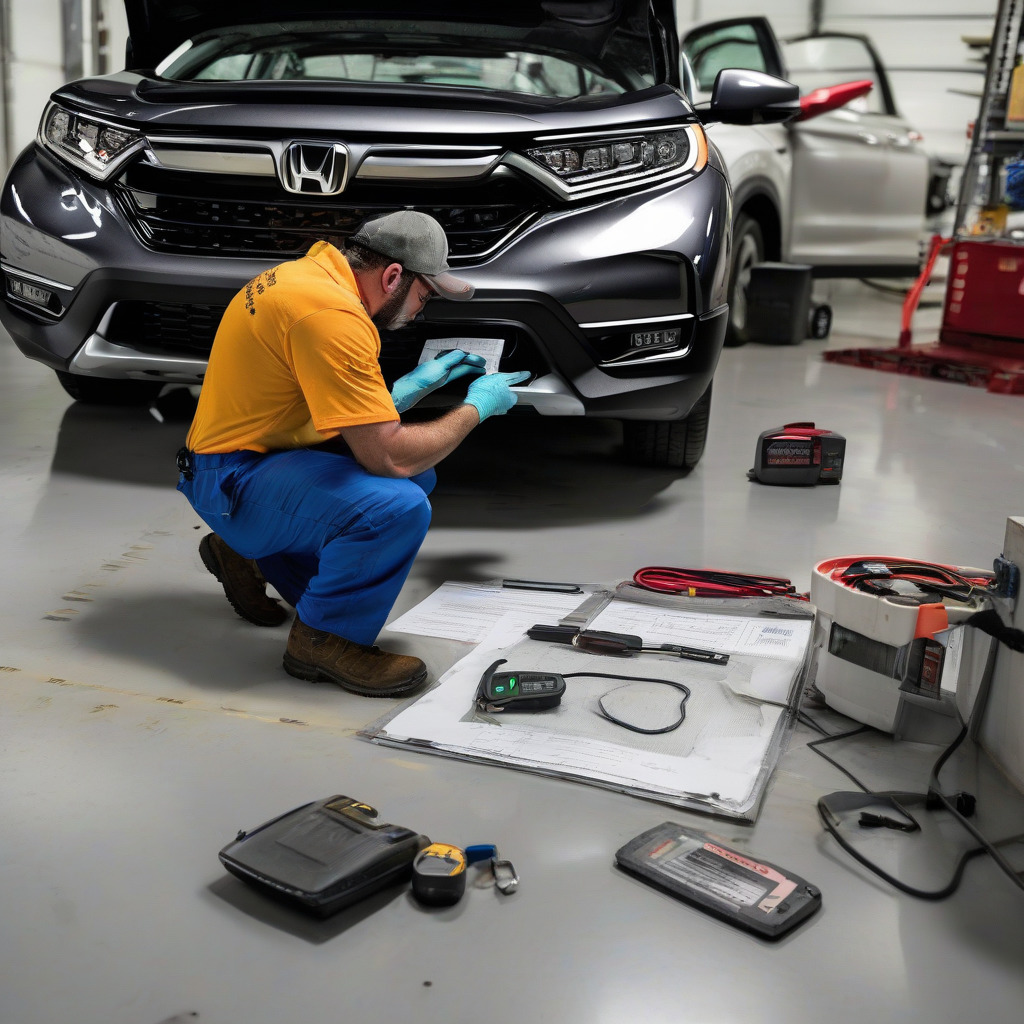
On June 3rd, with Houston’s heat index sitting at 108°F, Jennifer Castillo drove her 2019 Honda CR-V into a shop on Westheimer and walked out with a $387 bill. The line item she hadn’t expected: $189 for R-1234yf refrigerant, listed separately from the $89 “AC recharge” advertised on a sign near the bay door.
“I thought the recharge was the refrigerant,” she said. “Nobody mentioned the difference until they were already done.”
That split between advertised price and final invoice is the defining experience of getting AC work done in Houston in summer. This guide exists because of exactly this.
What follows isn’t a national average from a pricing aggregator. It’s based on direct calls and shop visits made between June 2 and June 14 — specific quotes, named contacts, neighborhood wait times, all collected while the city was already deep into the season. If you’re trying to figure out whether the estimate on your dashboard is reasonable, you’re in the right place.
What You’ll Actually Pay: Houston Price Ranges by Repair Type
Four variables drive AC repair costs in Houston: refrigerant type, shop type, vehicle type, and — more than most guides admit — how much the shop thinks you know. The table below reflects quotes gathered directly from five local shops during the first two weeks of June.
AC Repair Costs at Houston Shops — June 2025
| Repair Type | Chain Shop | Independent | Dealer | Notes |
|---|---|---|---|---|
| Recharge (R-134a) | $120–$175 | $95–$155 | $175–$220 | Older vehicles (pre-2017 most common) |
| Recharge (R-1234yf) | $195–$280 | $175–$260 | $280–$375 | 2017+ most common; refrigerant cost drives gap |
| Compressor Replacement (domestic truck) | $850–$1,350 | $700–$1,100 | $1,400–$2,200 | Labor-intensive; F-150, Silverado, Tundra |
| Compressor Replacement (luxury/import) | $1,200–$1,800 | $950–$1,600 | $1,800–$2,800 | BMW, Mercedes, Lexus; OEM parts premium |
| Condenser Replacement | $550–$900 | $450–$800 | $900–$1,400 | Usually includes recharge |
| Evaporator Replacement | $900–$1,500 | $750–$1,200 | $1,400–$2,200 | Labor-heavy; dashboard often removed |
The sources: Christian Brothers Automotive in Katy off I-10 gave a recharge estimate June 4 via phone with service advisor Marco R. Firestone Complete Auto Care on Westheimer provided a written estimate June 6 for a 2018 Camry scenario. Superior Auto Service — owner-operated for 19 years in Spring Branch off Long Point Road — quoted compressor ranges for an F-150 on June 9 with tech James. Texas Auto Care Center in Pearland broke down R-1234yf costs on June 11. Toyota of Houston’s Southwest location provided a written estimate June 13 for a 2021 Camry compressor replacement.
On a newer vehicle recharge, budget $200–$280 at an independent and $280–$375 at a dealer. A compressor on a domestic truck carries a $400–$800 labor gap between a good independent and a dealership. Whether that gap is worth it depends on your specific situation — more on that below.
The R-1234yf Factor: Why Your 2017-or-Newer Car Costs More to Recharge
This is the single biggest source of sticker shock at Houston AC shops this summer. Five minutes on this topic could save you $100.
Two refrigerants are in common use. R-134a has been standard since the early 1990s — it costs roughly $6–$12 per pound wholesale and is at every shop in the city. R-1234yf is newer, lower global-warming-potential, and began replacing R-134a around 2014–2015 under EPA pressure to reduce high-GWP refrigerants in vehicle air conditioning systems. By 2017 it was mandatory on most new vehicles. It costs $40–$60 per pound wholesale. A typical recharge uses 1.5 to 2.5 pounds.
Do the math. Two pounds of R-134a adds maybe $20 in materials. Two pounds of R-1234yf adds $80–$120. When a shop advertises a $99 AC recharge, that’s an R-134a price on an older vehicle — almost without exception. Shops that don’t tell you the refrigerant type before you come in are the ones most likely to produce a Castillo-style surprise. It’s a simple thing to disclose. Shops that don’t bother aren’t confused about the rules. They just prefer you find out afterward.
Which refrigerant does your car use?
Open the hood and look for a sticker on or near the AC service ports. Federal law requires manufacturers to label it. If it’s not visible, this covers most Houston vehicles:
- Pre-2014: almost certainly R-134a
- 2014–2016: mostly R-134a, some European imports already on R-1234yf
- 2017 and newer: strong R-1234yf majority — check the label
- 2021 and newer: effectively universal R-1234yf
Your owner’s manual lists it under “air conditioning” or “refrigerant.” Takes 90 seconds. Could save you a hundred dollars.
When you call a shop, ask directly: “My car is a [year/make/model]. What refrigerant does it take, and is that cost included in your recharge quote?” A shop that won’t answer that on the phone is telling you something worth knowing before you drive over.
Neighborhood Wait Times: Where You’ll Get In Fastest
Heights, Montrose, and Midtown are the worst place to need AC work right now. Most shops in that corridor are running 3–5 day waits; dealers are pushing 5–7 for non-emergency service. High vehicle density, limited independent bays, and workers who can’t go without a car for long keep demand brutal in that part of town.
The Katy and I-10 corridor is surprisingly manageable — 1–3 days at most independents. Shop density out there is high relative to population, and several newer independents have opened in the past two years near Katy Mills and Mason Road. Christian Brothers on I-10 quoted a next-day recharge appointment as of the June 4 call. In mid-June Houston, that counts as good news.
Pearland and Sugar Land are running 2–4 days at independents, 4–6 at dealers. Population growth has simply outrun shop capacity in those suburbs. The Pearland area added significant residential density over five years without a proportional increase in automotive service bays. The backlog is the predictable result.
Spring and The Woodlands show 2–4 days at independents in Spring proper, stretching to 3–5 in The Woodlands. The higher concentration of newer vehicles means more R-1234yf jobs, which require additional machine time. Several shops on the 249 and Kuykendahl corridor quoted 3-day waits as of June 10.
East End and Gulfgate are the fastest part of the metro right now. Same-day service exists. The corridor has dense independent shop coverage, lower average vehicle age (more R-134a jobs, which move faster), and serves a population with less dealer-warrantied inventory. If you’re flexible on where you take the car, it’s worth considering.
One scheduling note every shop mentioned: calls placed Thursday afternoon through Friday generate waits one to two days longer than Monday morning calls. Shops book out at week’s end. If your AC fails on a Friday, don’t drive to the shop and ask to get on a list — most shops schedule by confirmed appointment, not drop-in sequence. Call Monday morning.
Chain vs. Independent vs. Dealer: Comparing Quotes on the Same Repair
To put real numbers on this, here’s what shops quoted for two scenarios: a recharge on a 2020 F-150 (R-134a) and a compressor replacement on a 2018 Camry (R-1234yf).
2020 F-150 AC Recharge (R-134a):
Firestone on Westheimer: $148 total, refrigerant included, 12-month/12,000-mile warranty on the service. Superior Auto Service in Spring Branch: $125 total, 90-day warranty. A Ford dealer on a separate call: $218. That’s a $70–$93 premium for the same recharge.
2018 Camry Compressor Replacement (R-1234yf):
Firestone: $1,380 with an aftermarket compressor, 24-month/24,000-mile nationwide warranty. Superior Auto Service: $1,095, aftermarket compressor, 1-year parts and labor. Toyota of Houston: $1,890 with an OEM Toyota compressor and a 2-year/unlimited-mile Toyota Certified warranty.
The dealer premium on the Camry is $495–$795 depending on which independent you compare. What you actually get for it: a Toyota OEM compressor, diagnostics on Toyota-specific software that reads fault codes generalist tools miss, and a warranty backed by the manufacturer’s certification program. For a 2018 Camry with 95,000 miles that you’re running for another three years, an aftermarket compressor from Denso or UAC is defensible. For a 2022 BMW with a compressor integrated into the hybrid control module, go to the dealer and pay it.
The aftermarket units at most Houston independents aren’t junk — Denso makes OEM compressors for Toyota and sells the same units to the aftermarket under its own name. The real risk isn’t part quality. It’s installation shortcuts. Ask the shop whether they replace the orifice tube or expansion valve and flush the lines when doing a compressor. If a compressor failed, debris from the old unit is in those lines. A shop that skips the flush saves an hour of labor and puts the new compressor at elevated risk of early failure. Ask the question directly and watch how they answer it.
How to Read Your Estimate: Line Items That Warrant a Question
Houston shops aren’t uniquely predatory. But summer AC rush creates conditions where upsells are easy to embed in estimates that customers — sweating and relieved to have an appointment — won’t challenge. Here’s what to watch for, and it’s the kind of detail we dig into regularly in our automotive coverage.
The “Free Inspection” That Becomes a $120 Dye Test
“Free AC inspection” means different things at different shops. Sometimes it’s a visual check and pressure reading at no charge. Sometimes it includes a fluorescent dye injection and UV-light scan billed separately. The dye test is a legitimate diagnostic tool — it’s how you find a slow leak — but it should be presented as a disclosed option, not a line item you discover after the fact. Ask upfront: “Does the free inspection include a dye test, or is that separate? What does it cost if you recommend it?”
Refrigerant Listed Separately from the Recharge Price
This is the Castillo situation. Recharge labor: $89. Refrigerant: $189. Total: $278. Shops aren’t required under Texas law to bundle these, but they are required to get your authorization before performing work. The question to ask before you bring the car in: “Is the refrigerant included in the recharge price, or is it billed by the pound?”
The Unnecessary System Flush
An AC flush is appropriate after a compressor replacement or confirmed contamination. It’s not routine maintenance on a vehicle that’s simply low on refrigerant. If a shop recommends a flush on a recharge-only visit, ask: “What did you find that indicates contamination? Can you show me the pressure readings?”
A Condemned Compressor That Only Needed a Recharge
This is the most expensive upsell pattern in AC repair, and the hardest to catch. A compressor can test weak if the system is just low on refrigerant — low refrigerant means the compressor isn’t cycling at design pressure, which mimics compressor failure on a basic test. The correct sequence is recharge first, then retest. Any shop that jumps from “low pressure reading” to “you need a new compressor” without first verifying refrigerant level is either cutting diagnostic corners or selling you a compressor you don’t need. Ask directly: “Did you test the compressor at full refrigerant charge?” If they fumble that, you have your answer.
The Cabin Air Filter
Every shop in this guide offered a cabin air filter during the AC visit. It’s a real part that needs replacing, and $25–$45 installed is a minor charge. The issue is when it gets folded into the “AC service” estimate without a separate line item, inflating the apparent cost of the primary repair. Make sure it’s itemized separately with a separate approval line. If it’s not, ask.
Multi-Part Package on a First Diagnostic Visit
If a shop diagnoses your AC on the first visit and immediately recommends replacing the compressor, condenser, and expansion valve as a package — especially with language like “these components always go together” — slow down. Sometimes it’s legitimate. A compressor that seizes and scatters debris will require flushing the system and inspecting the condenser — but a good shop explains the failure sequence, not just the parts list. Vague explanations and assumed compliance warrant a second opinion. No exceptions.
What Consumer Protections Houston Drivers Actually Have
Most AC repair guides skip this section entirely. I wish the news were better.
Texas has no written estimate law. California’s auto repair act requires a written estimate before work begins. Texas doesn’t. A Houston shop has no statutory obligation to hand you a written quote before touching your car. Your protection exists entirely in what you authorize — verbally or in writing — before work starts. Once the car is on the lift, your leverage is gone. This is why the questions at the end of this piece matter.
Federal EPA Section 609 certification applies to every shop in the city. Any technician who handles refrigerant in a vehicle AC system must hold current certification from an EPA-approved program. Shops are required to produce documentation if you ask. Improper handling — including venting refrigerant to atmosphere rather than recovering it — is a federal violation. Uncertified techs are more likely to cut corners on recovery procedures.
TDLR licensing is searchable but limited. The Texas Department of Licensing and Regulation licenses motor vehicle dealers, salvage dealers, and inspection-related operations. General automotive repair shops in Texas don’t require a TDLR “auto repair” license — that category doesn’t exist. Searching tdlr.texas.gov is useful for specific license types but won’t tell you much about a general repair shop. Google reviews, BBB, and asking about certifications directly are more useful.
If you authorize work verbally and dispute the bill afterward, your legal options are limited but real. Small claims court covers disputes under $20,000. The Texas Deceptive Trade Practices Act applies to auto repair — a shop that charges for work it didn’t do, or materially misrepresents what was done, has genuine exposure under it. But pursuing that takes time and documentation. The better move is not ending up there.
Get the estimate in writing before you authorize anything. A shop that resists putting numbers on paper before starting the job knows exactly why you’re asking.
When to Get a Second Opinion and When to Walk Away
Some friction is normal. Other situations are signals to take your car and leave.
Walk out if the shop can’t confirm Section 609 certification over the phone. It should take 30 seconds. Inability or refusal suggests the shop is comfortable cutting regulatory corners. Worth asking what else they’re comfortable cutting.
Get a second opinion if a compressor diagnosis comes without pressure readings. A legitimate diagnosis includes high-side and low-side measurements. The numbers should be on paper or a screen you can see. Ask for them. If the shop can’t produce them, the diagnosis isn’t complete.
Get a second opinion if multiple parts are recommended on a first visit, with no explanation of how one failure caused or indicated the others. A compressor that seizes and scatters debris will require flushing the system and inspecting the condenser — but a good shop explains the failure sequence, not just the parts list.
Walk away from any repair over $500 presented as a verbal-only quote. There’s no good reason a shop can’t put a $1,200 compressor job on paper before starting. The ones that resist leaving a paper trail are the ones most likely to exercise flexibility on the final number.
Walk away if you’re pressured to approve same-day on a non-emergency repair, specifically to prevent you from getting another quote. Reputable shops don’t create artificial urgency. “I can’t hold the appointment if you don’t decide today” on a routine repair is a pressure tactic. Recognize it as one.
Five Questions to Ask Before You Drive In:
- What refrigerant does my [year/make/model] take, and is that cost included in your recharge price?
- Are your technicians EPA Section 609 certified, and can I see documentation when I come in?
- Will you give me a written estimate before any work begins?
- If you find a compressor issue, will you show me the pressure readings?
- What’s your parts and labor warranty on this repair?
A shop that hedges on any of these — especially the written estimate or the certification — has just told you something important before you’ve spent a dime.
July and August will be worse than June for wait times. The shops that were booking a week out in mid-June will push longer. Call Monday morning. Confirm the refrigerant type before you go in. Treat a written estimate as non-negotiable. Do those three things and you’re already ahead of most people who get surprised by a $387 bill for a $89 service.